Frank Gehry: Early Life, Roots, and Education
From Toronto roots to USC and Harvard—how Gehry’s early years shaped a lifelong experimenter with form, materials, and urban narratives.
→
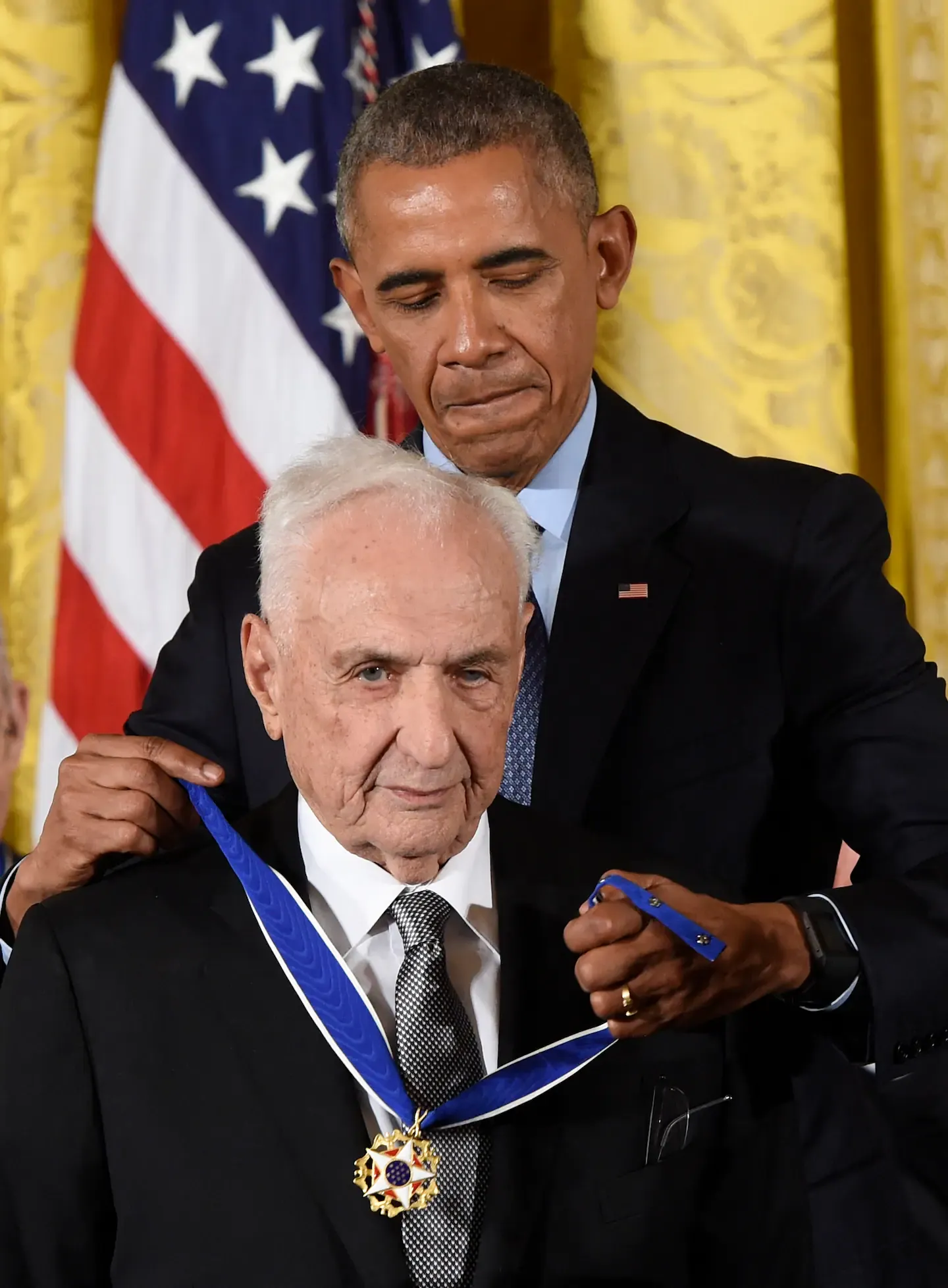
Awards and Recognition: Pritzker and Beyond
From the Pritzker to the Presidential Medal of Freedom—what recognition signals about architectural impact and civic value.
→
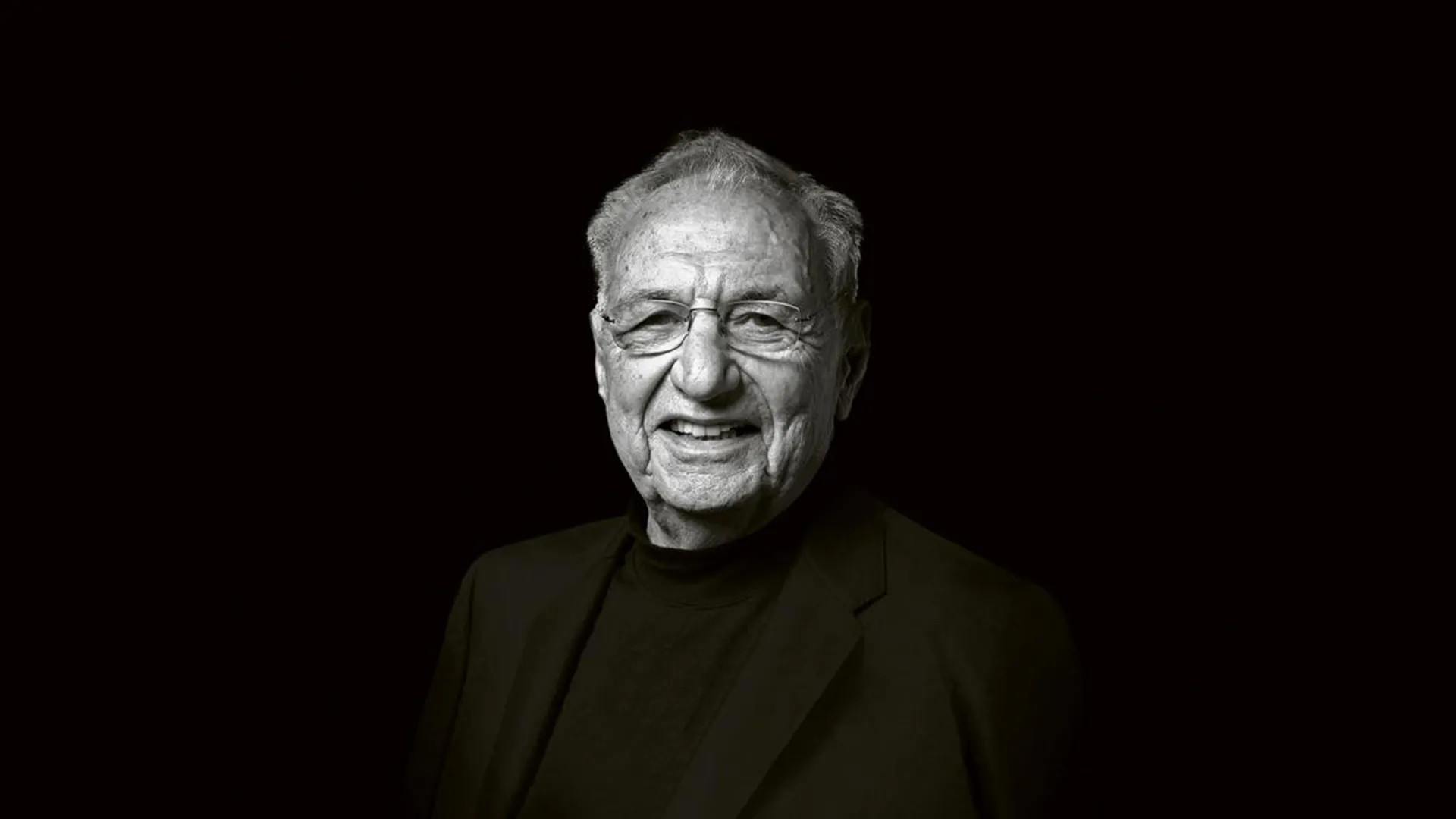
Future Outlook: Research Threads and Mentorship
Where Gehry’s legacy points—research threads in computation and craft, and mentorship as a civic act.
→
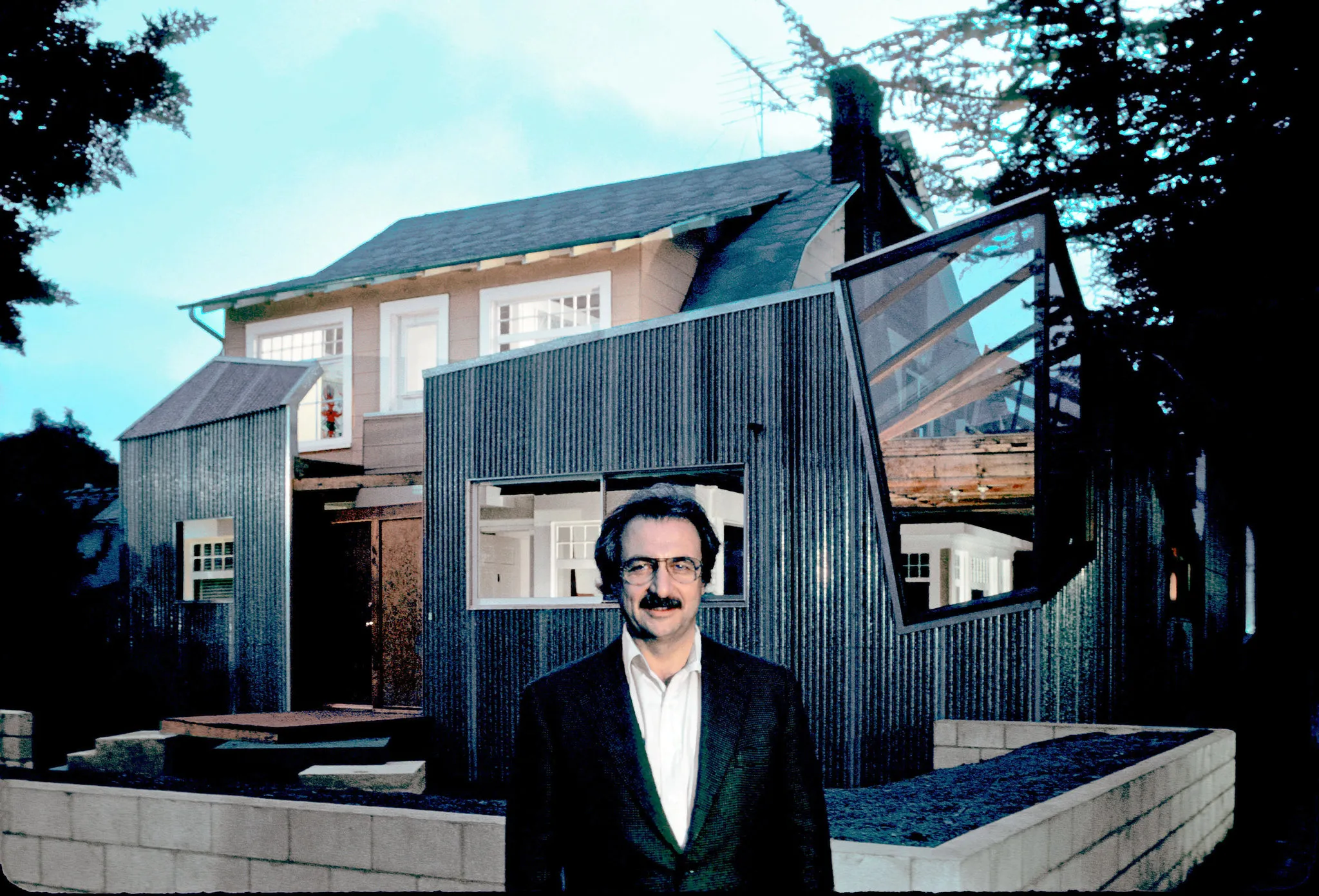
Santa Monica House: The Everyday as Avant-Garde
How a humble bungalow became a manifesto—cardboard, chain-link, corrugated metal, and an architect’s eye for transformation.
→
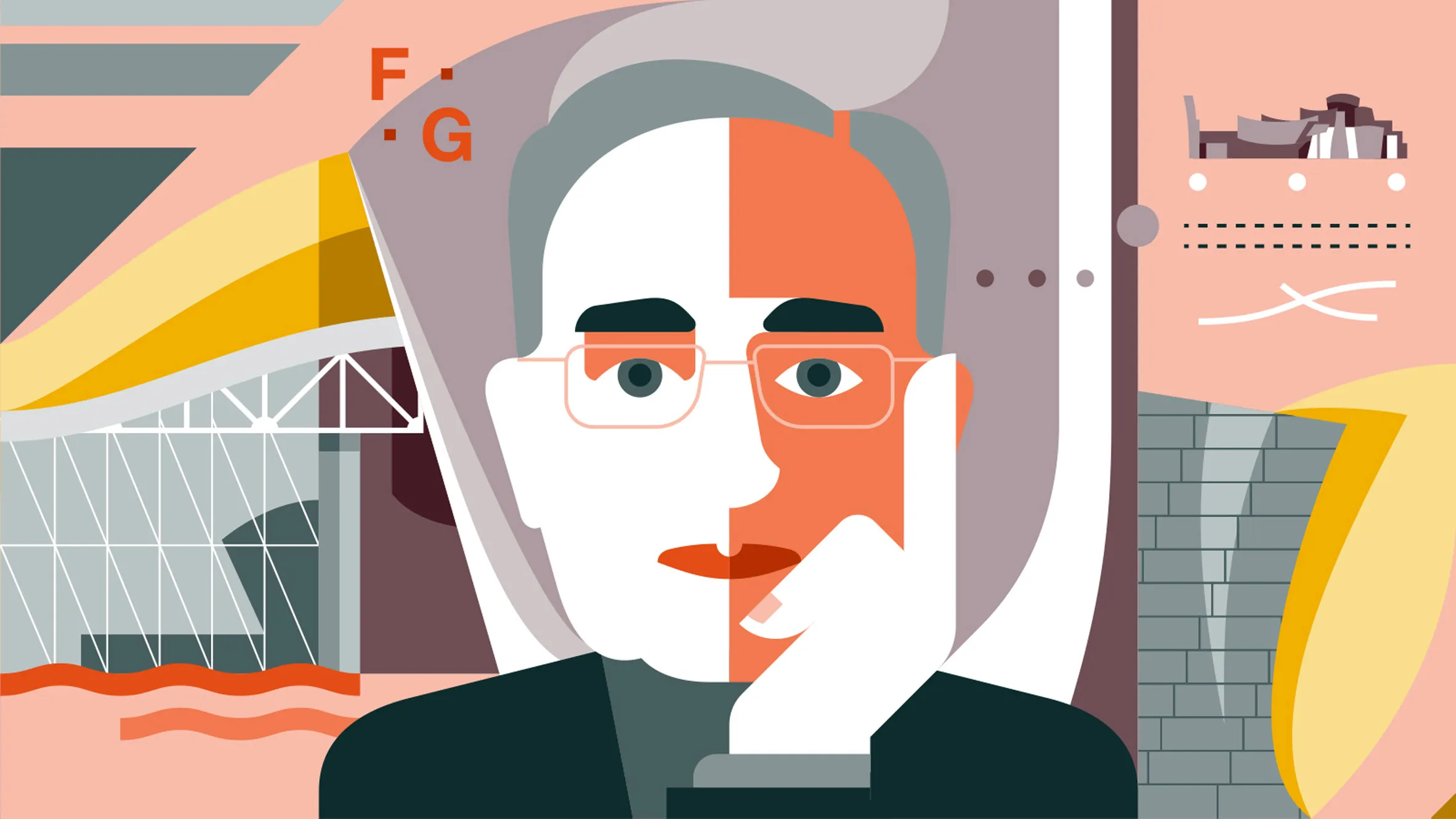
Gehry and Deconstructivism: Beyond Labels
The ‘deconstructivist’ label is convenient but insufficient. Gehry’s practice navigates complexity, context, and human experience with playful rigor.
→
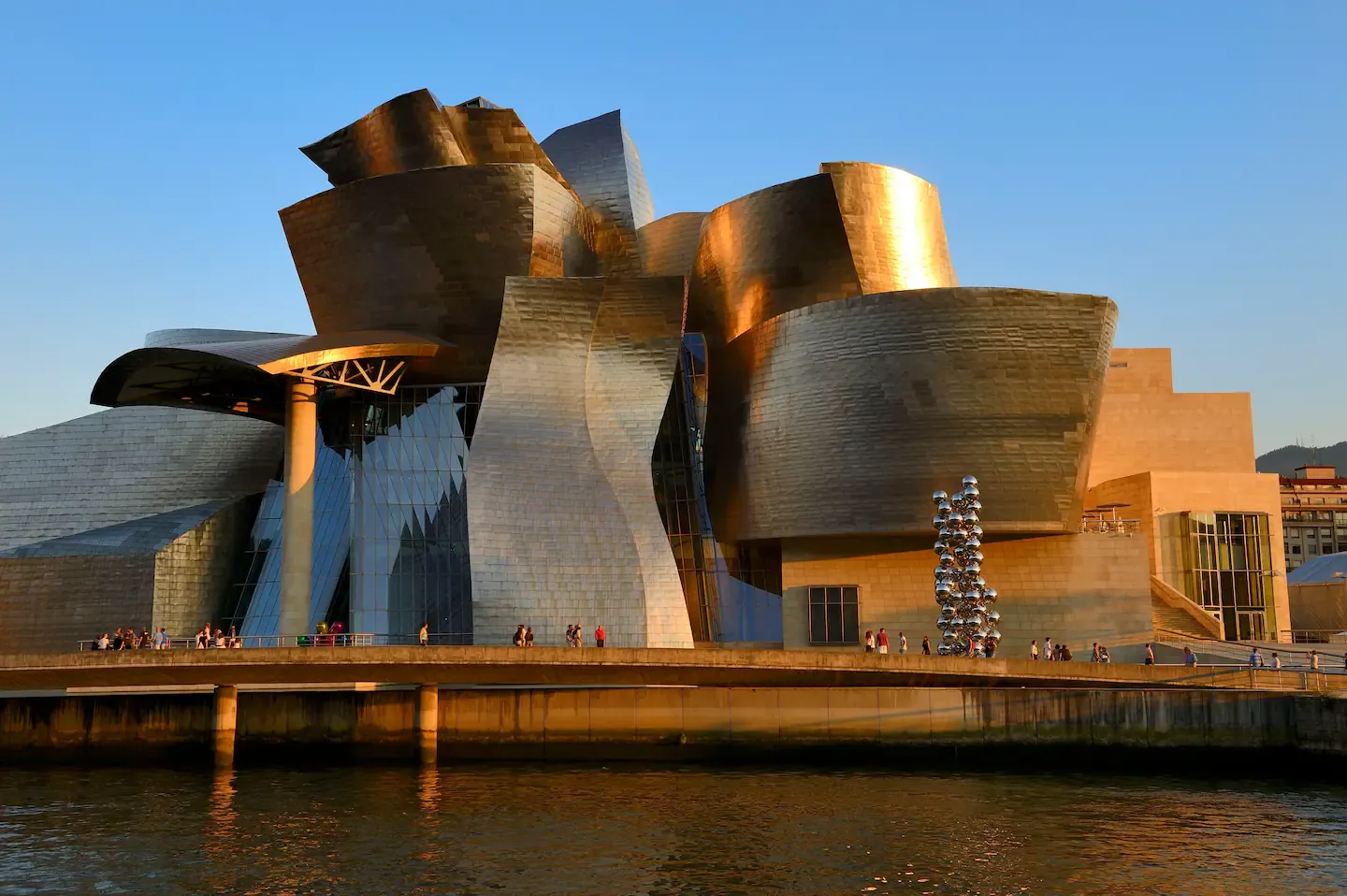
Guggenheim Bilbao: Anatomy of a Cultural Engine
From sketches to titanium: how a museum redefined a city and a generation’s understanding of architecture’s economic and emotional power.
→
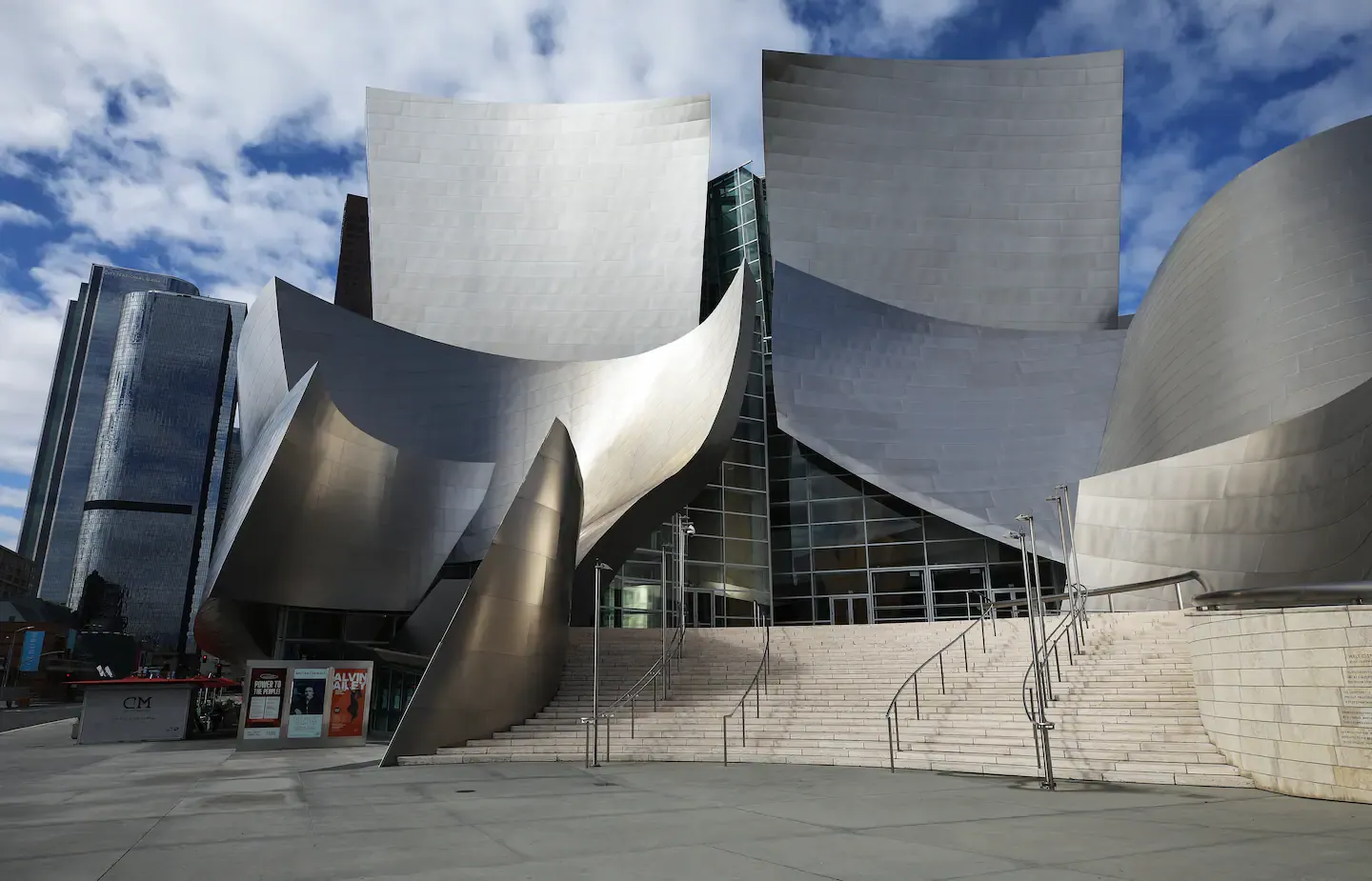
Walt Disney Concert Hall: Sound Shaped by Light
An acoustic sculpture in stainless steel—how Gehry, acousticians, and the LA Phil co-authored a symphonic architecture.
→
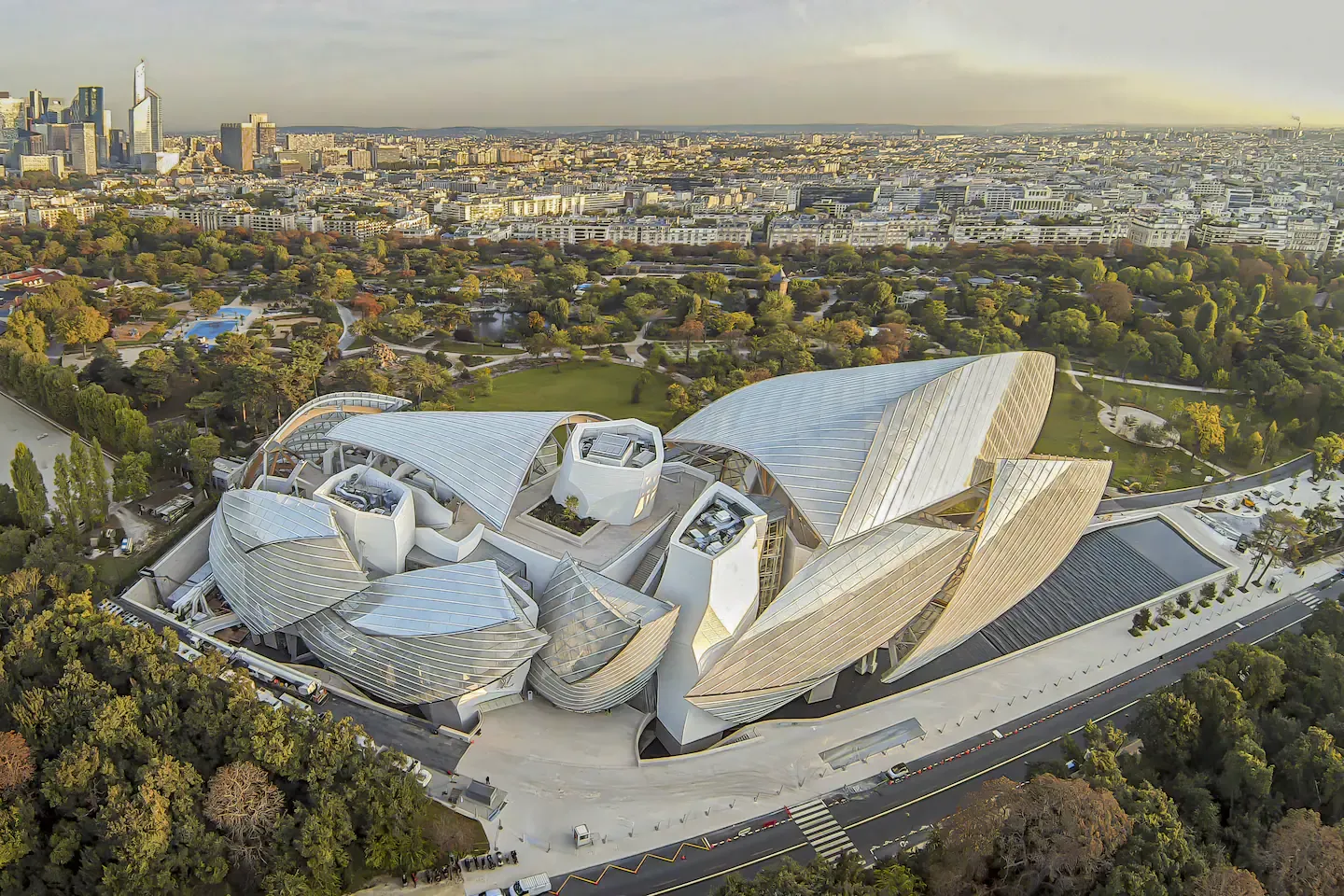
Fondation Louis Vuitton: Origins, Vision, and Site
A museum in a garden: why the Jardin d’Acclimatation matters, how Gehry translated context into glass ‘sails’.
→
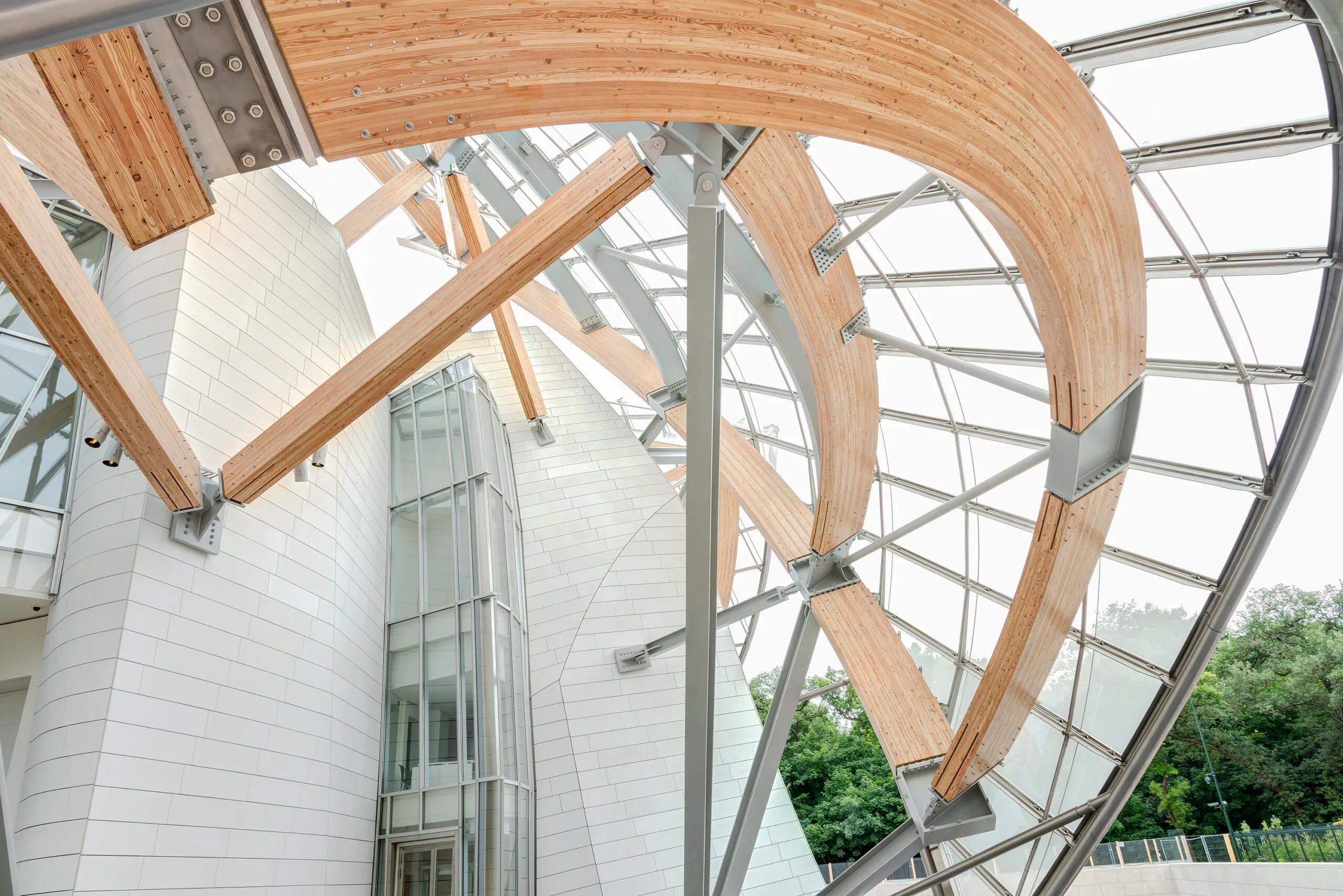
FLV Construction Chronicle: Timber, Steel, and Glass
Inside the making of the Fondation Louis Vuitton: wood arches, steel joints, glass sails—coordination at architectural and craft scales.
→
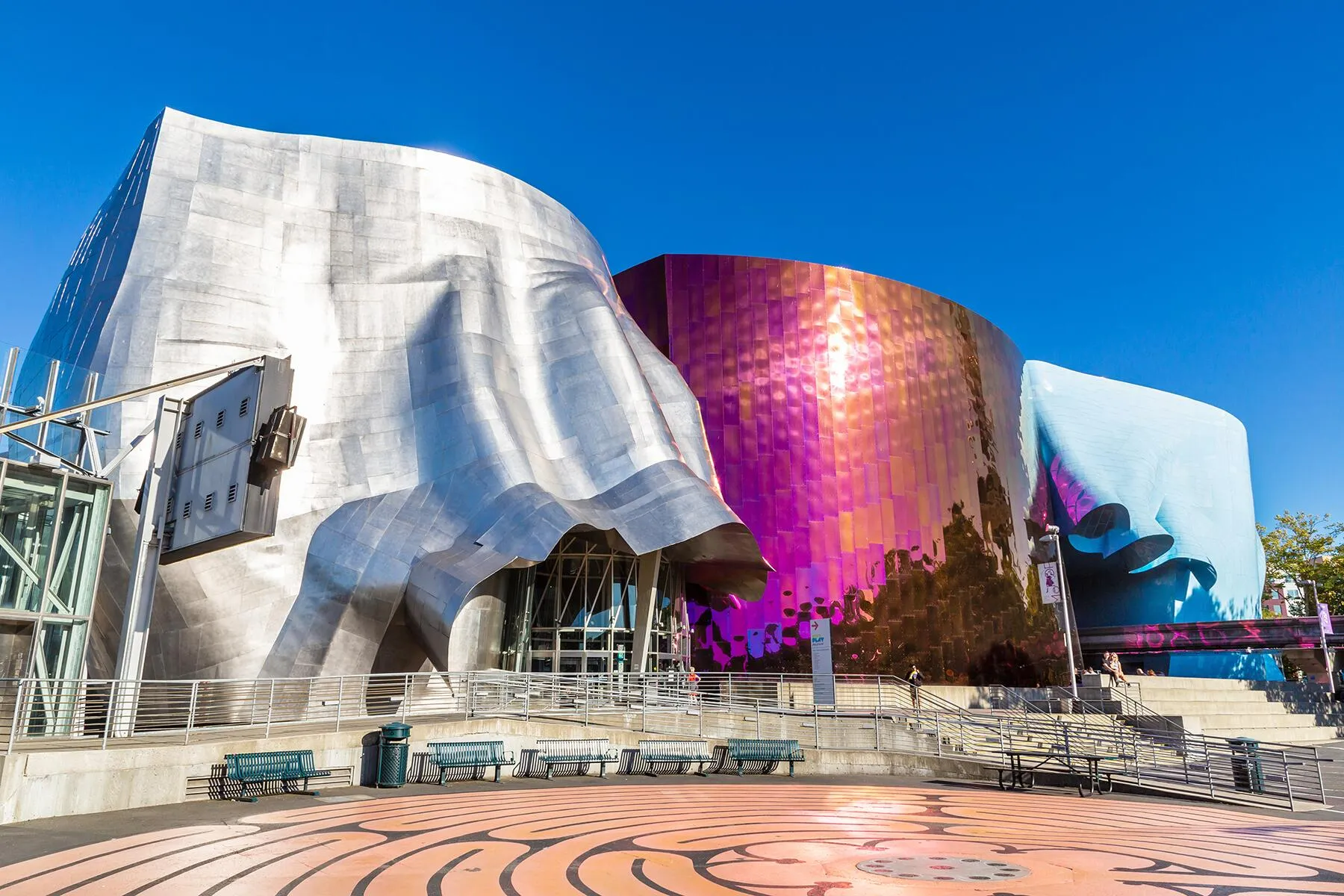
Visit the Fondation Louis Vuitton: A Curated Guide
Best times, routes, and vantage points—how to read Gehry’s Paris museum with your feet, eyes, and camera.
→
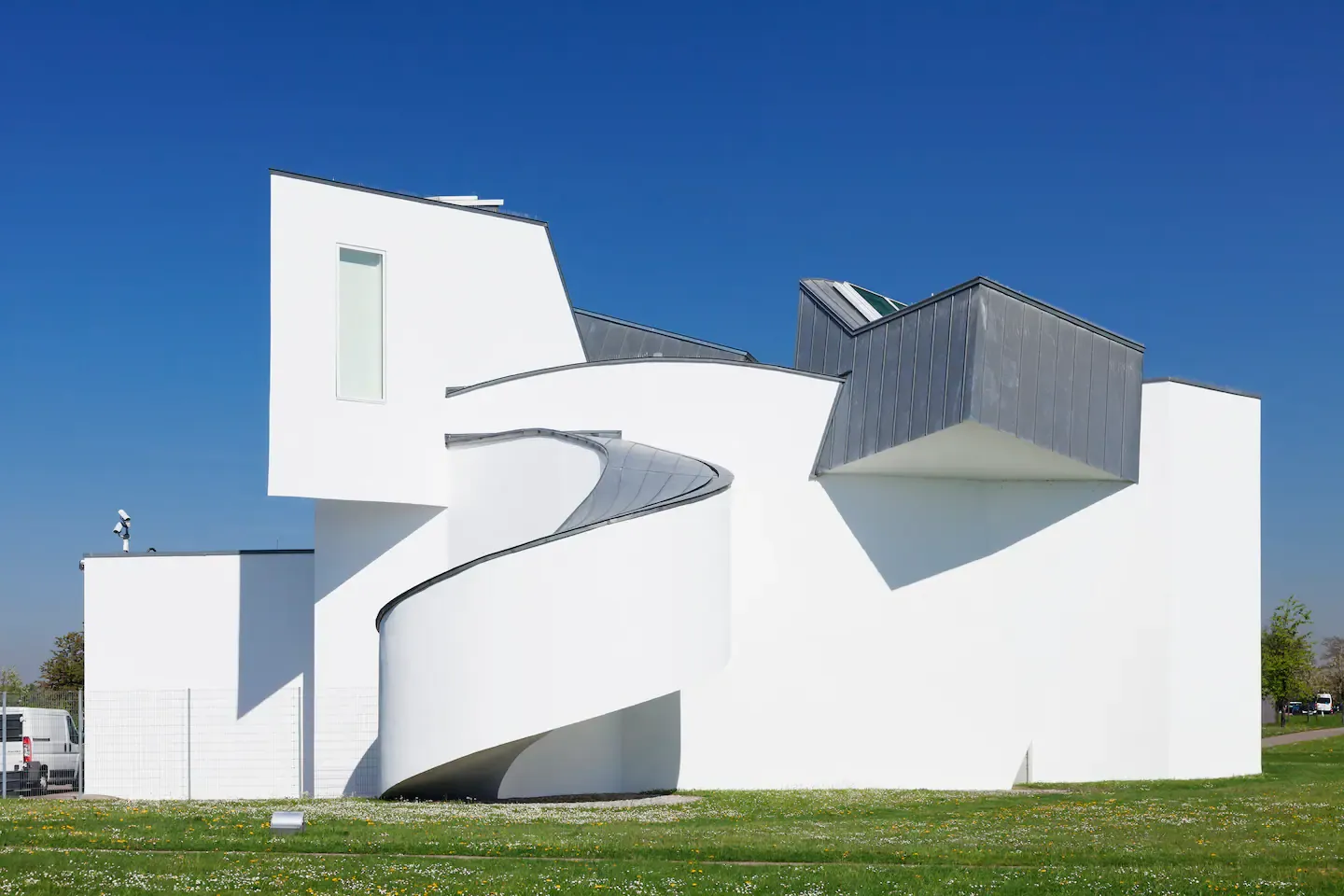
Vitra Design Museum: A Deconstructivist Seed
Weil am Rhein’s white geometries—how Gehry’s early museum teased future formal language and curatorial agility.
→

Dancing House, Prague: Movement in Stone and Glass
A duet of forms along the Vltava—why fluid massing meets civic poetry at an urban corner.
→

DZ Bank, Berlin: Light, Void, and Corporate Form
A corporate building that hides a lyrical atrium—how light and void weave public and private realms.
→
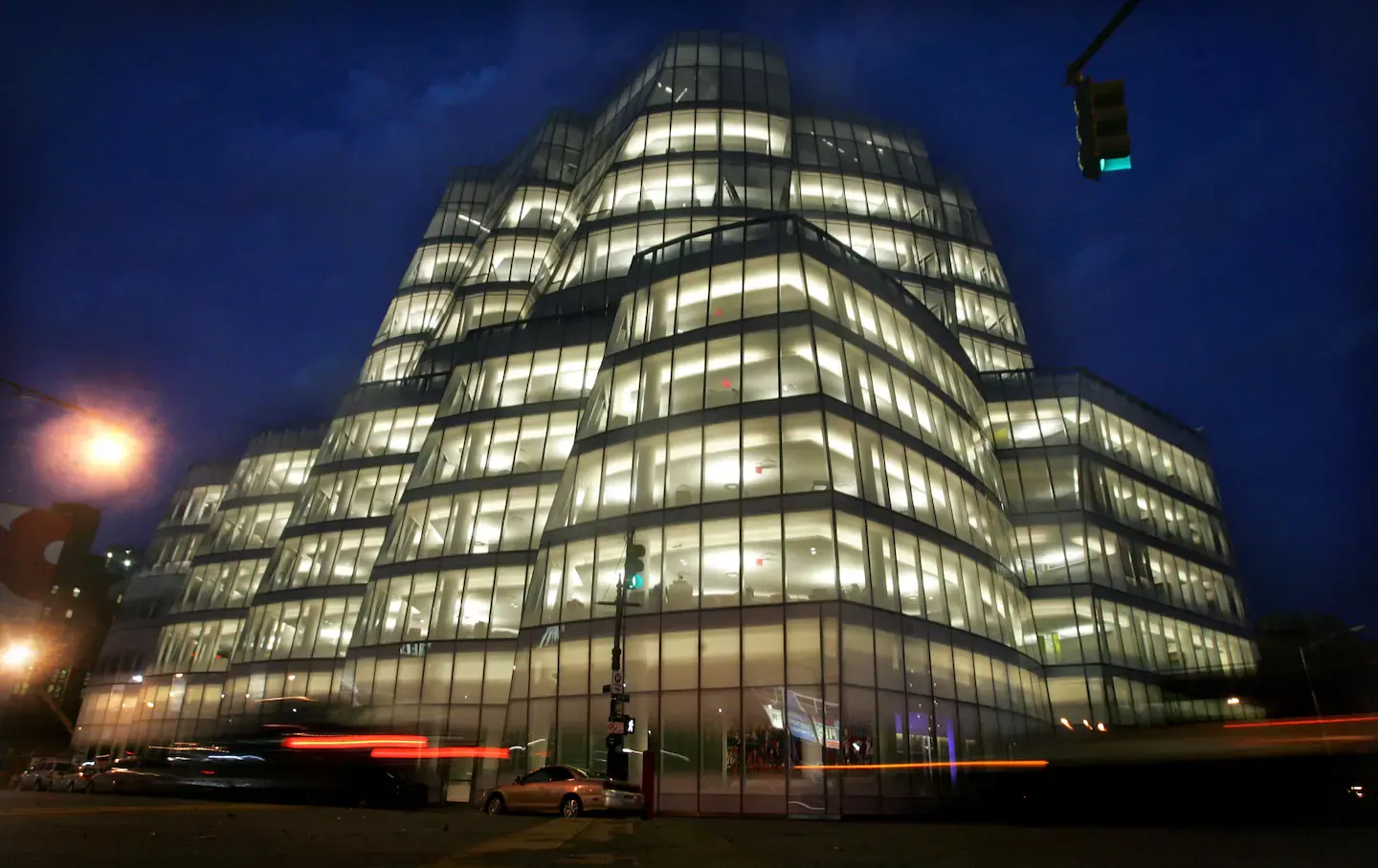
IAC Building, Manhattan: Screen of Light
A media company’s headquarters as luminous screen—reading facade as data, light, and urban gradient.
→

Beekman Tower (8 Spruce Street): Skywaves in Steel
Residential high-rise as rippling fabric—how facade articulation meets plan efficiency and neighborhood skyline.
→
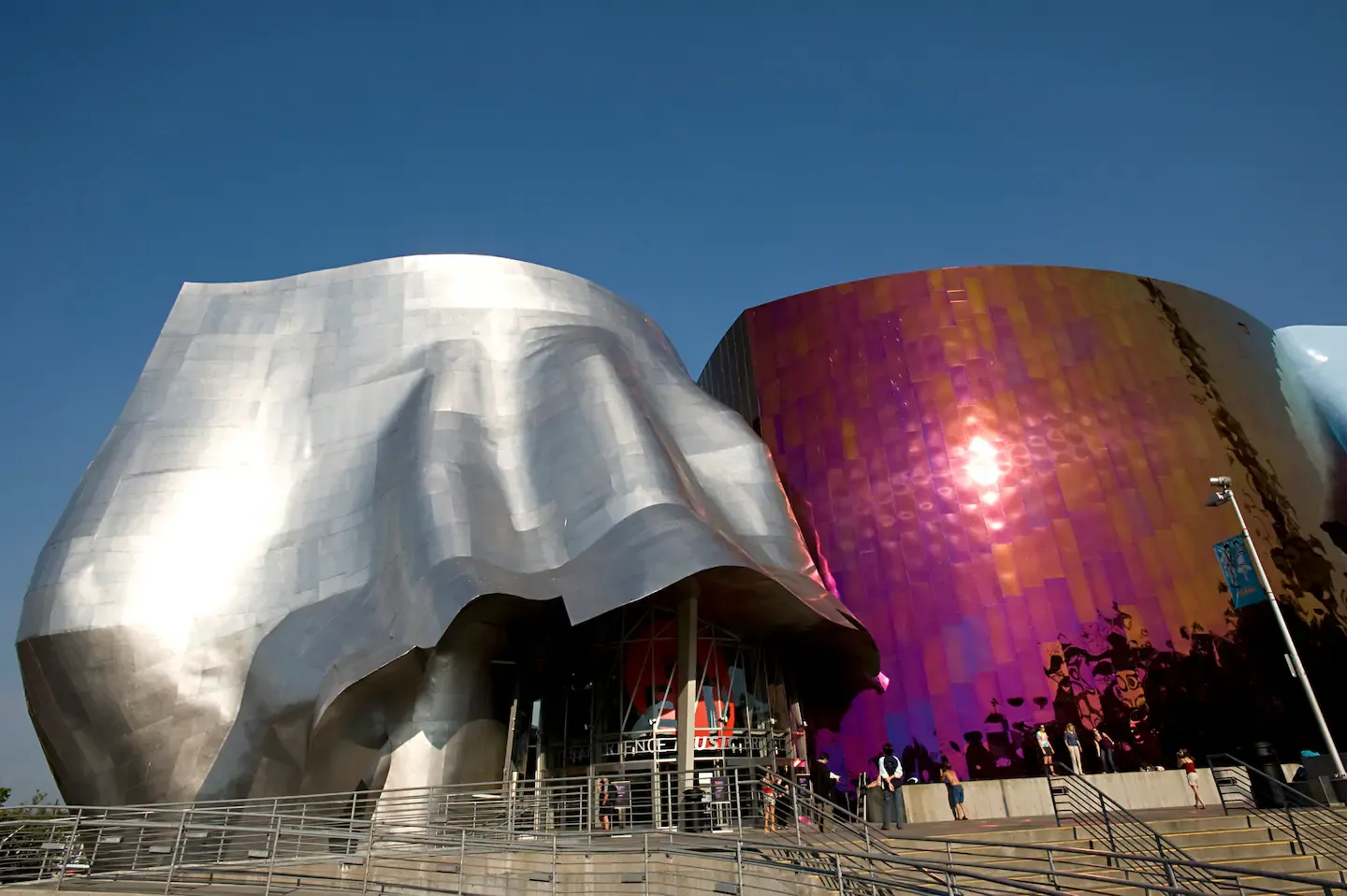
Museum of Pop Culture, Seattle: Folds of Sound
Music translated into metal folds—why MoPOP’s surfaces echo instrument forms and stage energy.
→
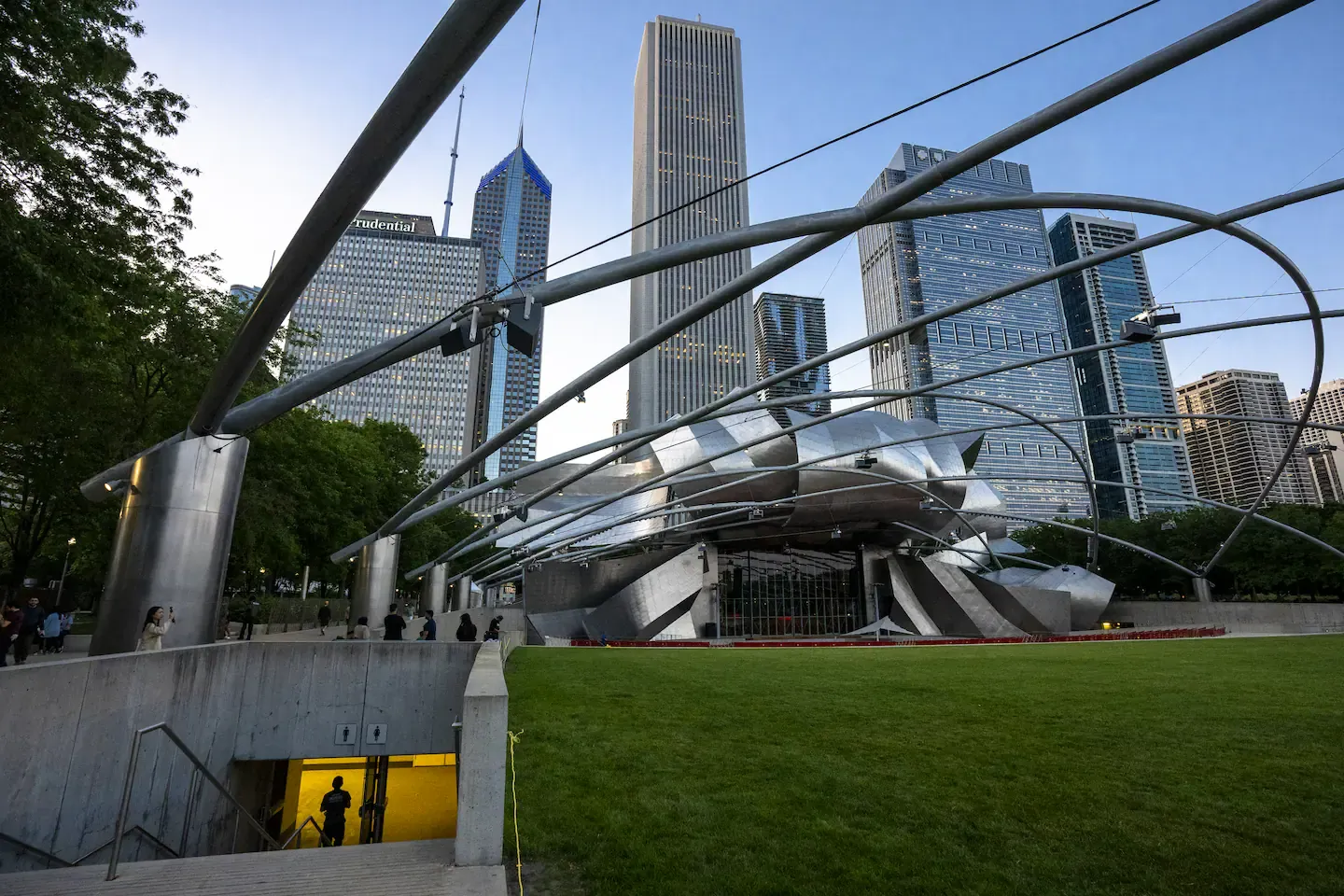
Jay Pritzker Pavilion, Chicago: Urban Stage and Canopy
A trellis of sound over a civic lawn—how architecture frames public gathering and performance.
→
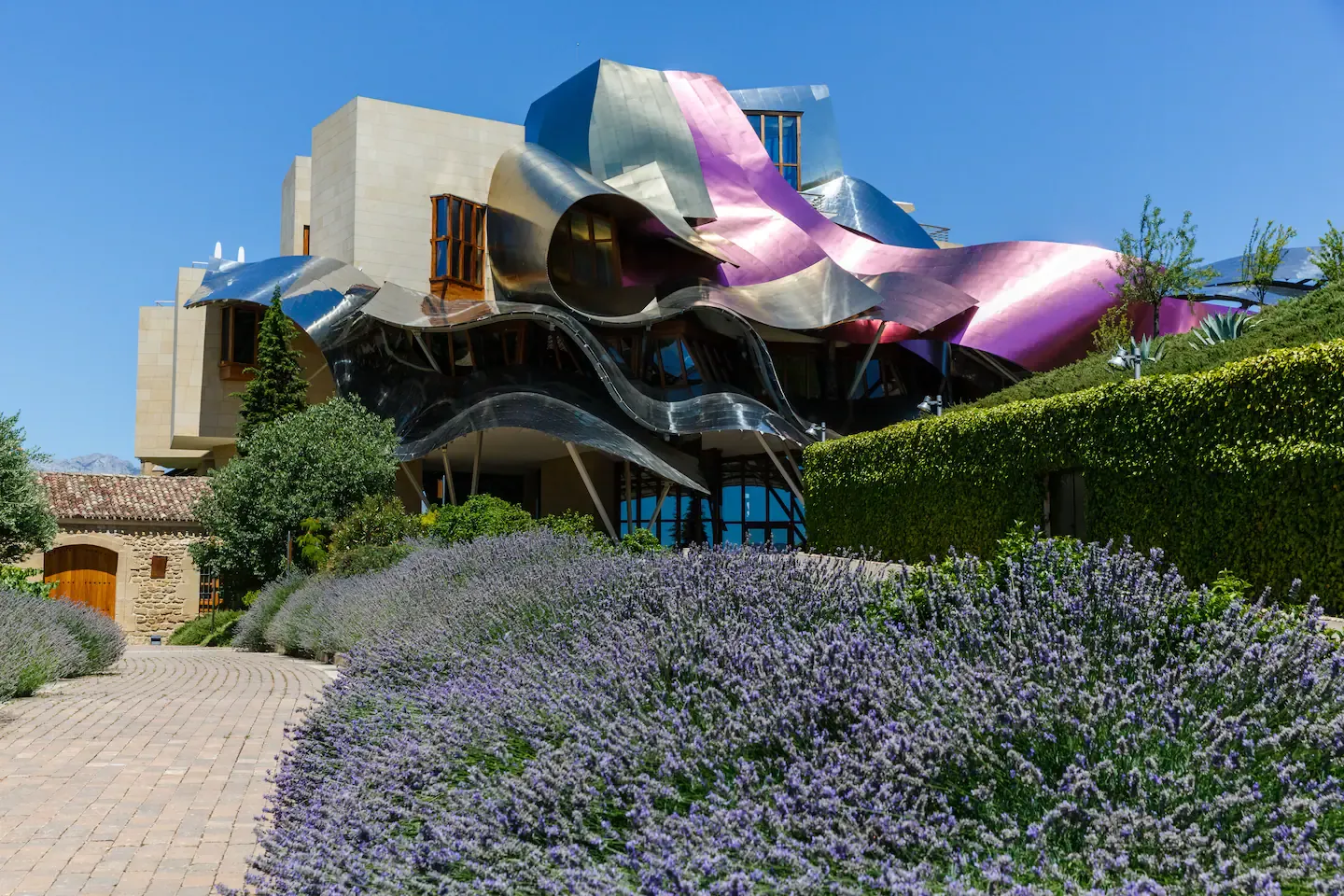
Marqués de Riscal, Elciego: Wine, Hospitality, and Form
A hotel that pours architecture like wine—colors, curves, and landscape relations in Rioja.
→

Cleveland Clinic Lou Ruvo Center: Health and Hope in Steel
Neuro architecture that frames care with light and dignity—how expressive forms meet clinical function.
→

Chiat/Day Building, Venice CA: Creative Hub
Postmodern wit meets creative industry—why a Venice office building became a cultural touchpoint.
→
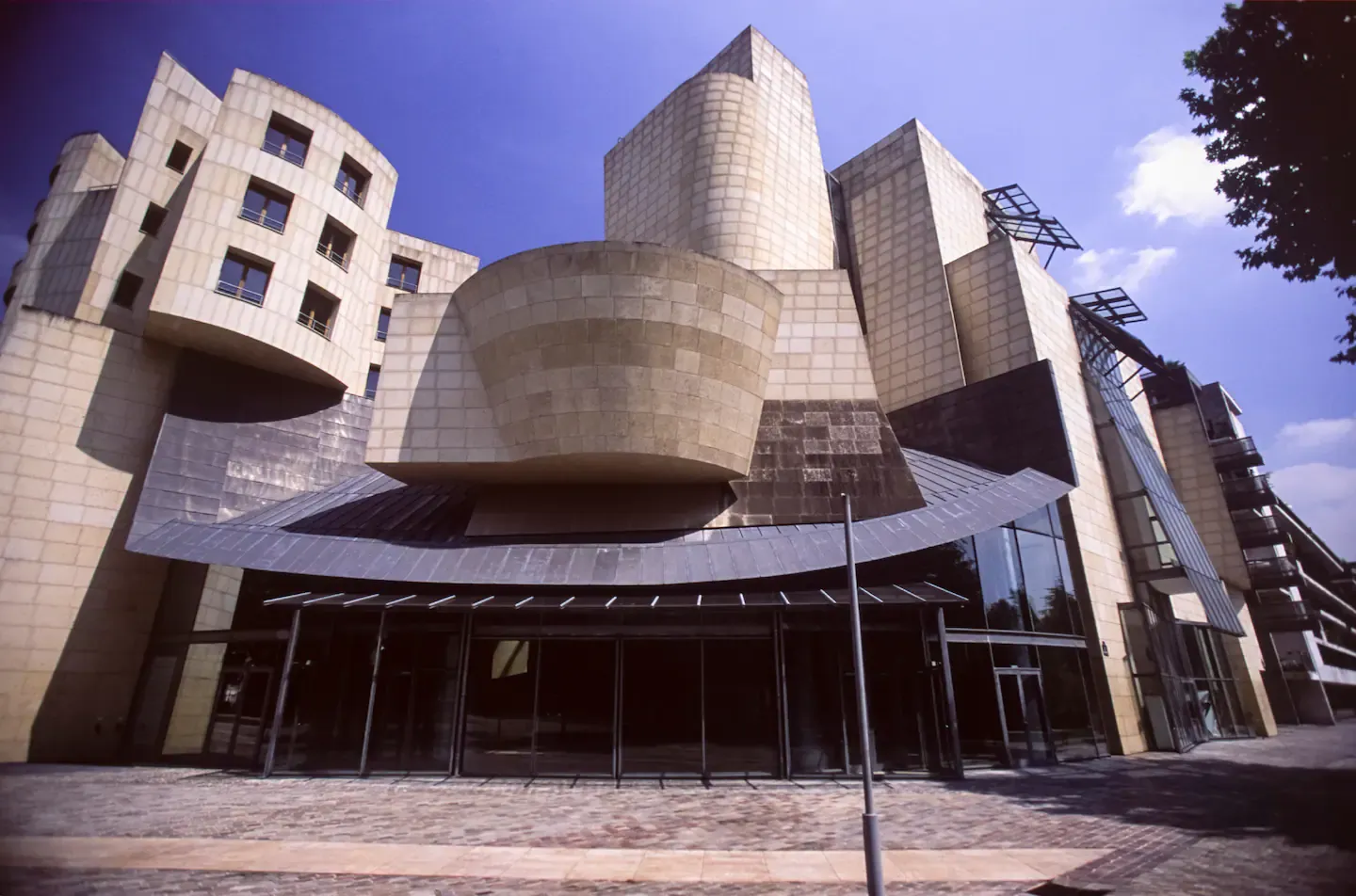
American Center, Paris (1994): Cultural Episodes
Short-lived, long-remembered—a Paris cultural building whose life cycle reveals the fragility and impact of institutions.
→

El Peix (Barcelona): Urban Fish and Coastal Light
A shimmering fish by the sea—how light, mesh, and curve make a coastal landmark.
→
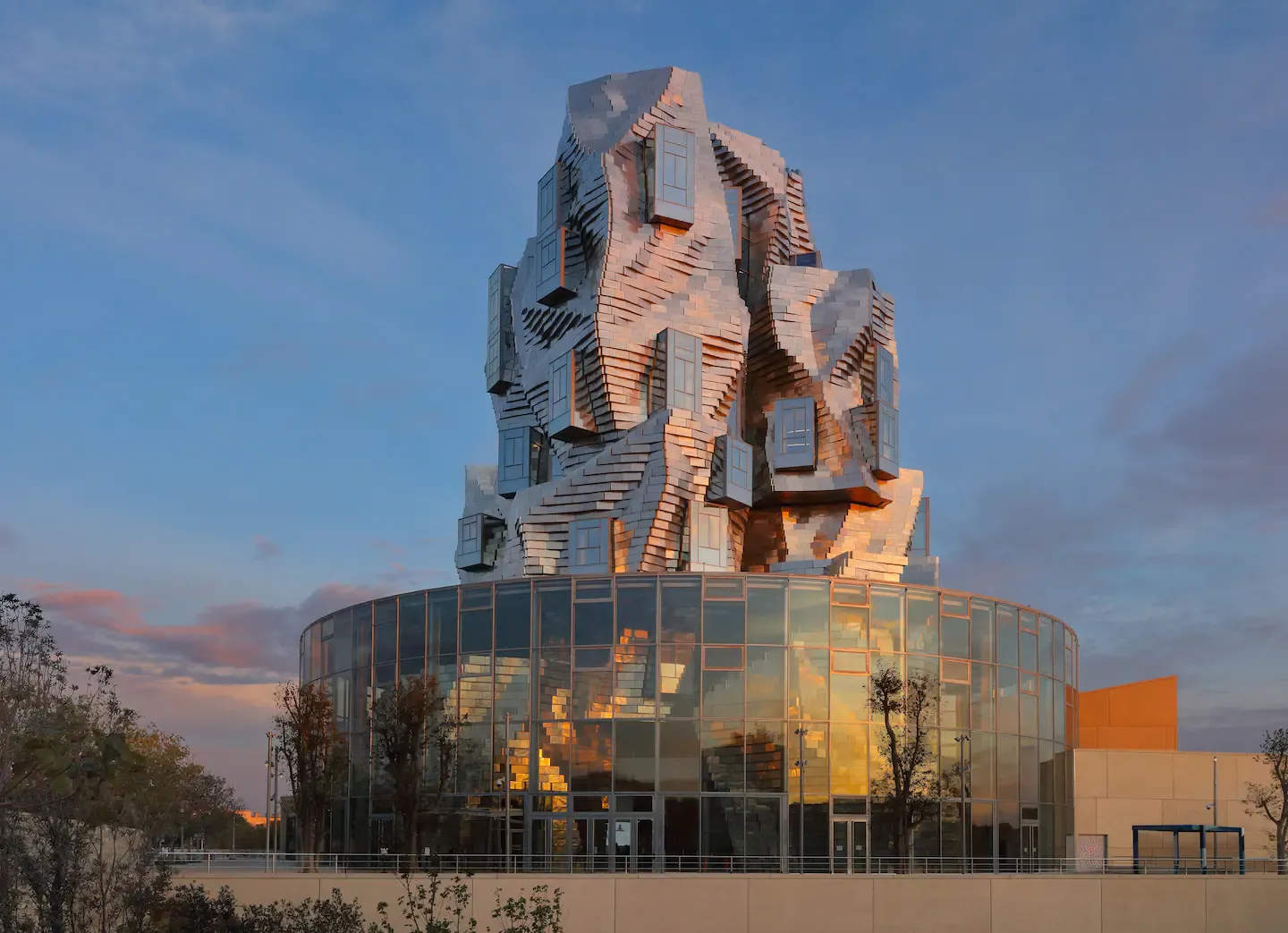
LUMA Arles Tower: Vertical Landscape and Cultural Hub
A tower that reads as stratified landscape—how art, research, and the city meet in southern light.
→
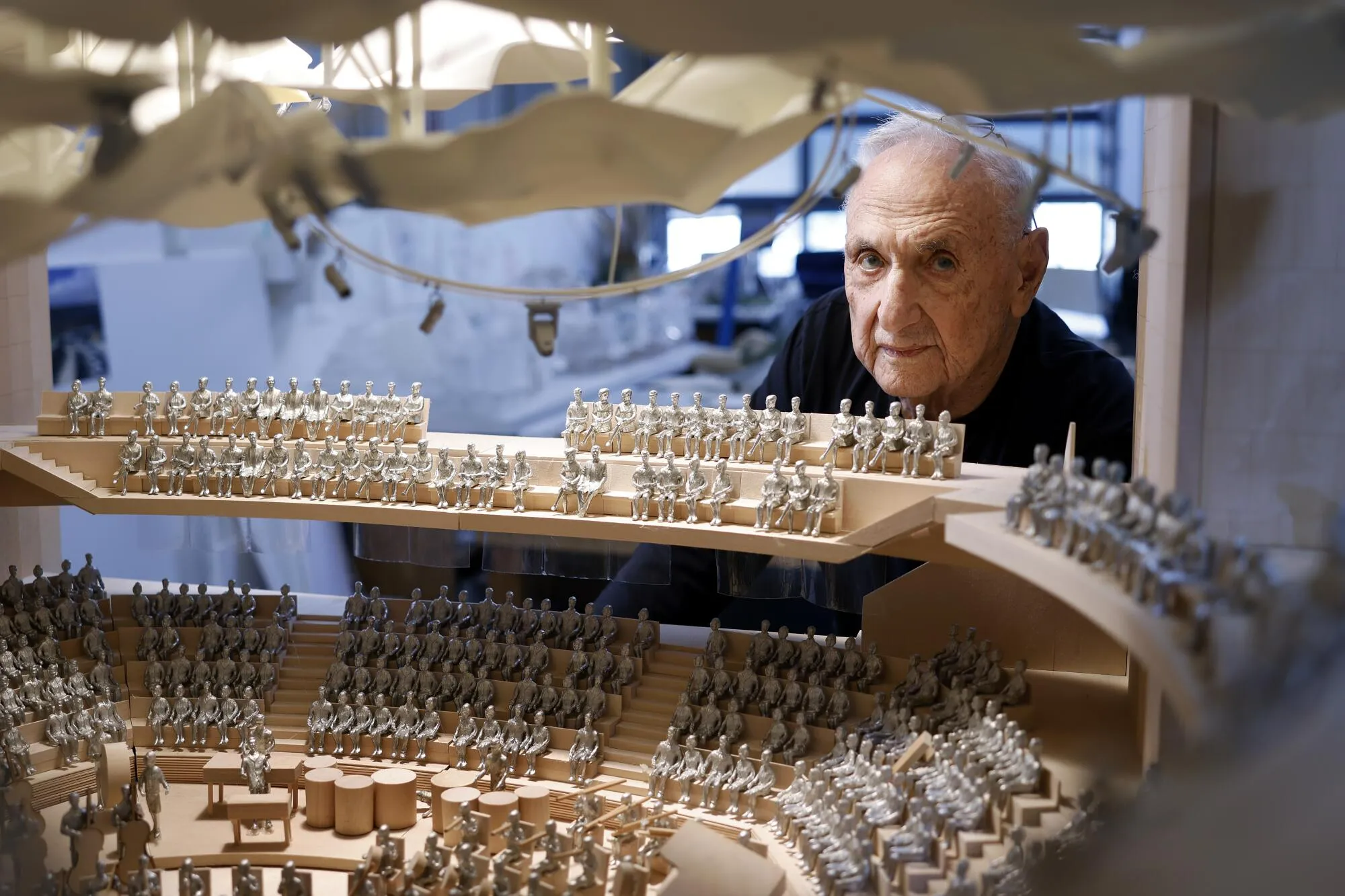
Colburn School and Music Pavilions: Education in Space
From rehearsal rooms to music pavilions—how educational spaces shape sound, practice, and community.
→
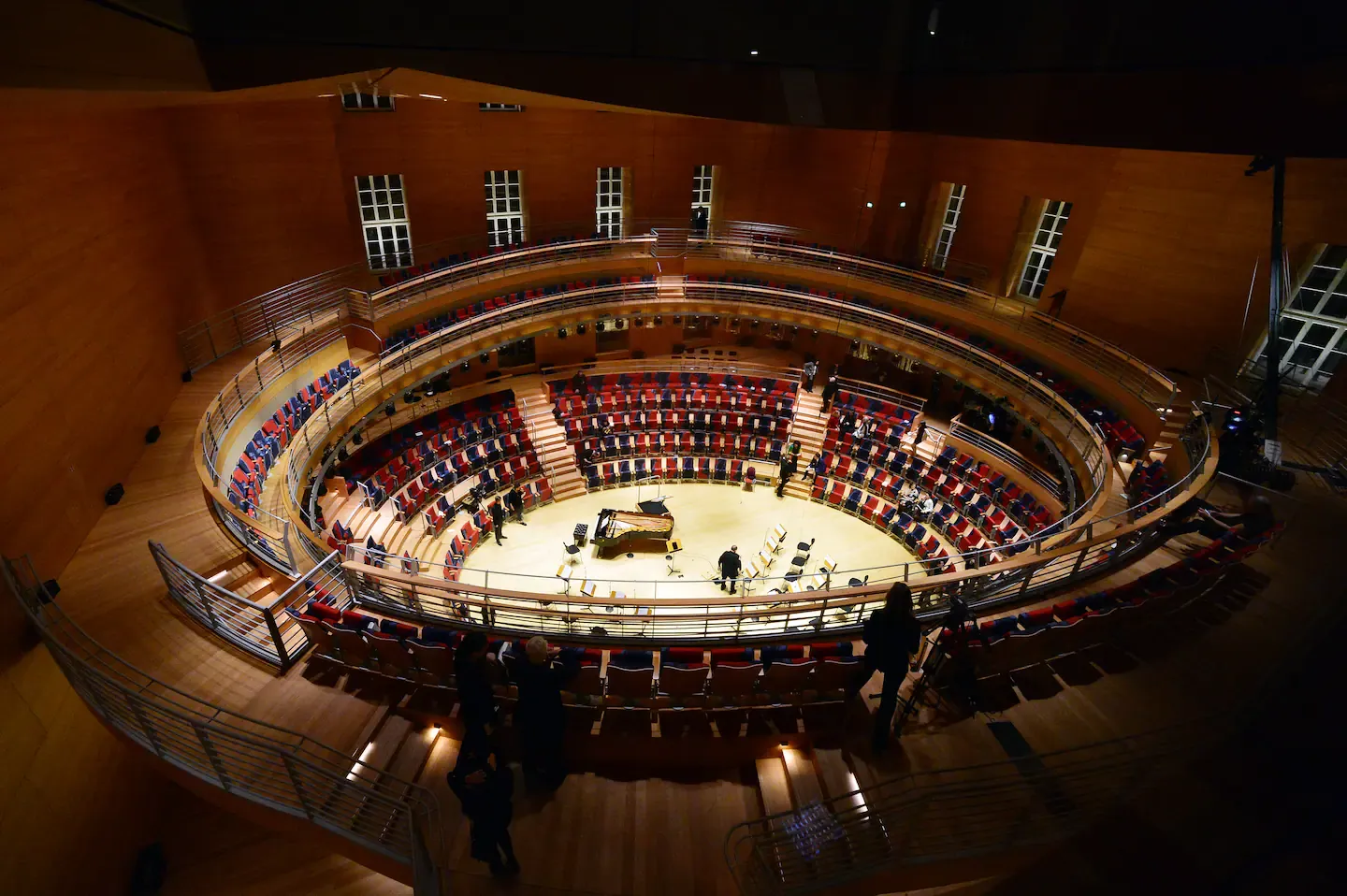
Pierre Boulez Hall: Architecture and Music Dialogues
A hall where architecture and music converse—spatial intimacy, acoustic clarity, and performance craft.
→
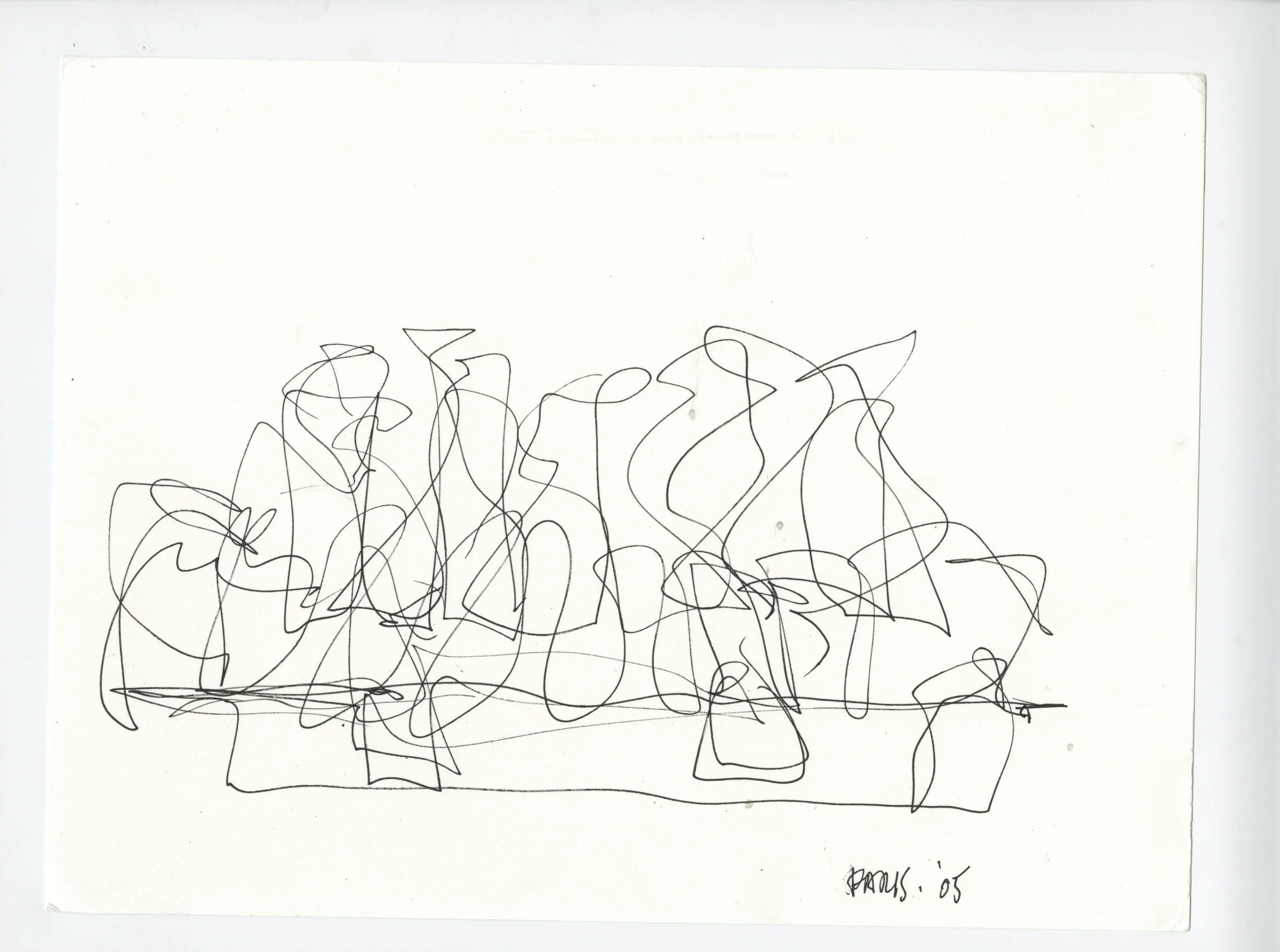
Gehry’s Design Process: From Sketch to CATIA
How cardboard and pencil meet aerospace-grade software—an iterative process binding craft, computation, and construction.
→
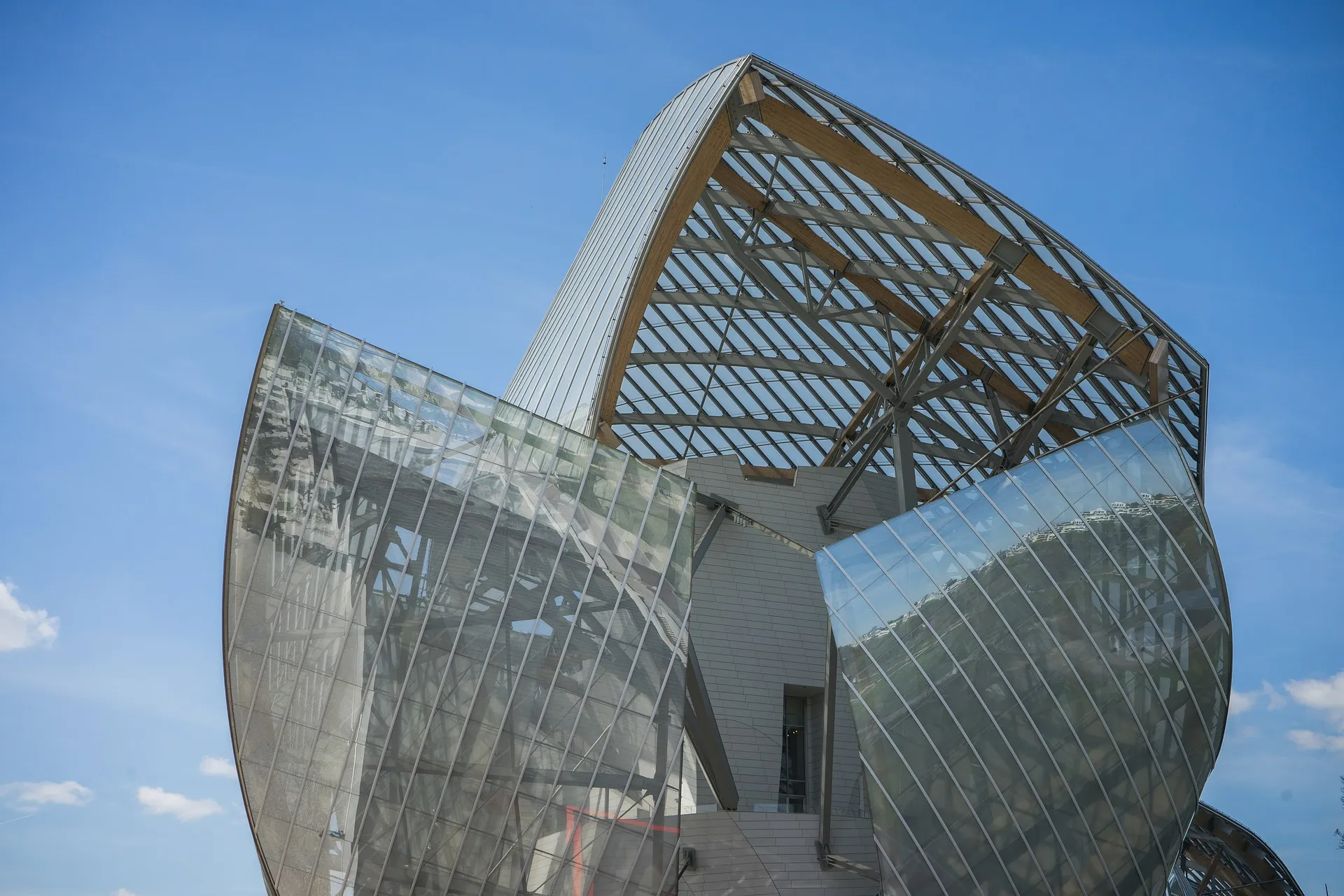
Material Experiments: Paper, Metal, Wood, and Light
From cardboard to titanium—why material curiosity drives Gehry’s language and advances architectural technique.
→
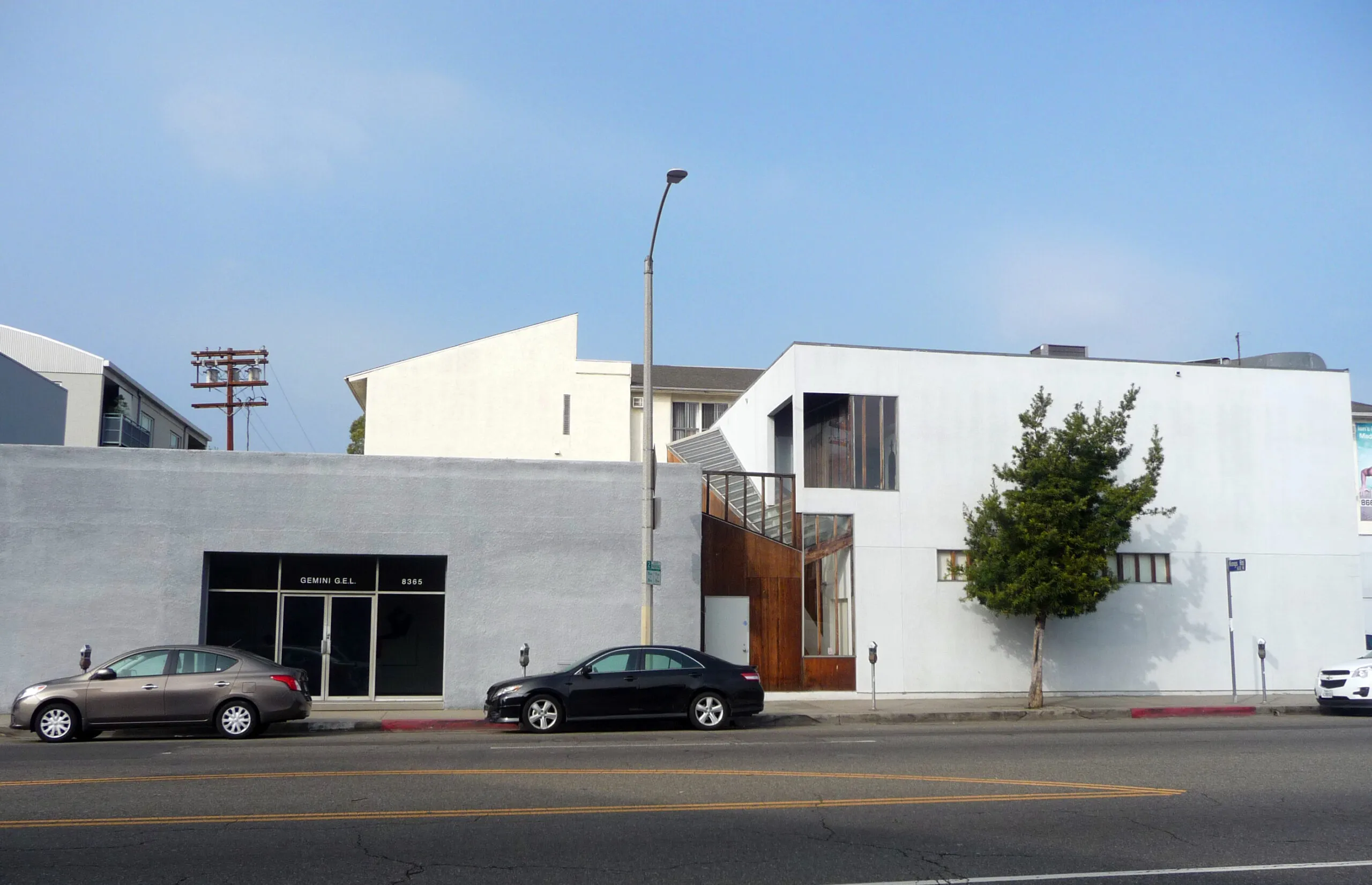
Collaboration and Studio Culture: Teams that Make
Acousticians, engineers, fabricators, curators—why Gehry’s architecture is fundamentally collaborative and how studio culture shapes outcomes.
→
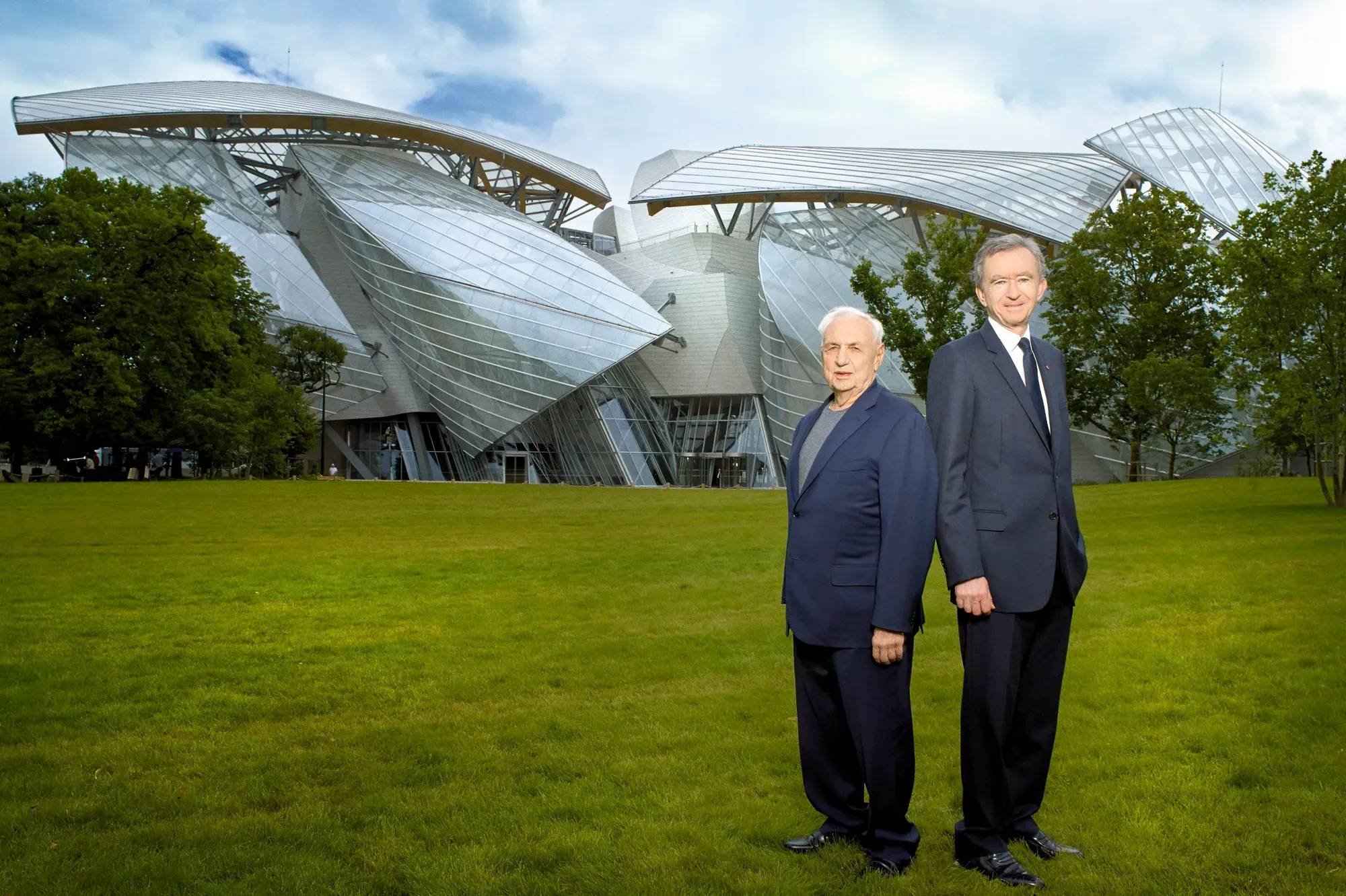
Bernard Arnault and Gehry: A Collaboration in Culture
Client vision meets architectural invention—how collaboration catalyzed the Fondation Louis Vuitton and broader cultural programming.
→
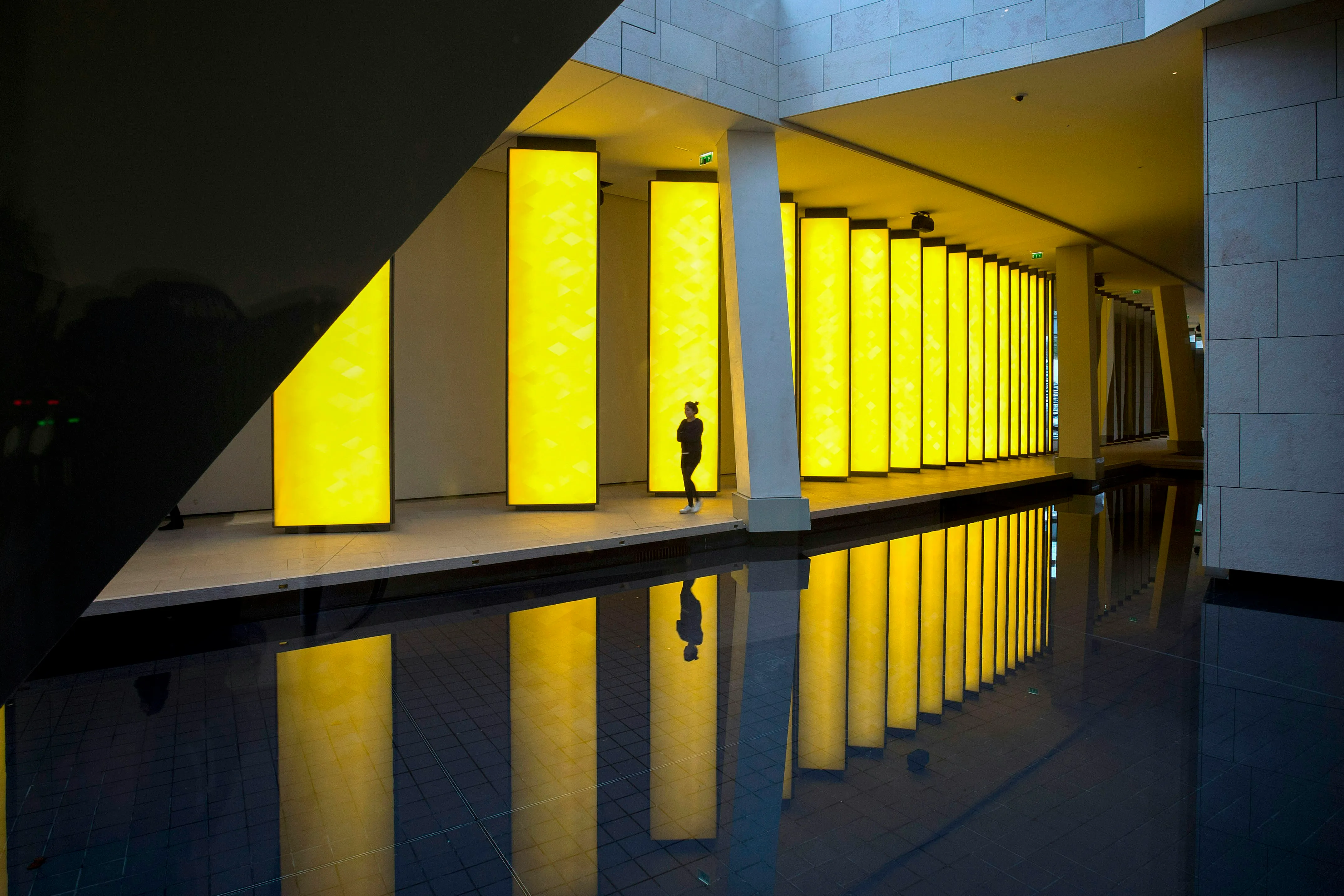
Inside the Horizon at FLV: Installation Dialogues
A luminous installation within Gehry’s museum—how artworks converse with architecture and visitor flow.
→
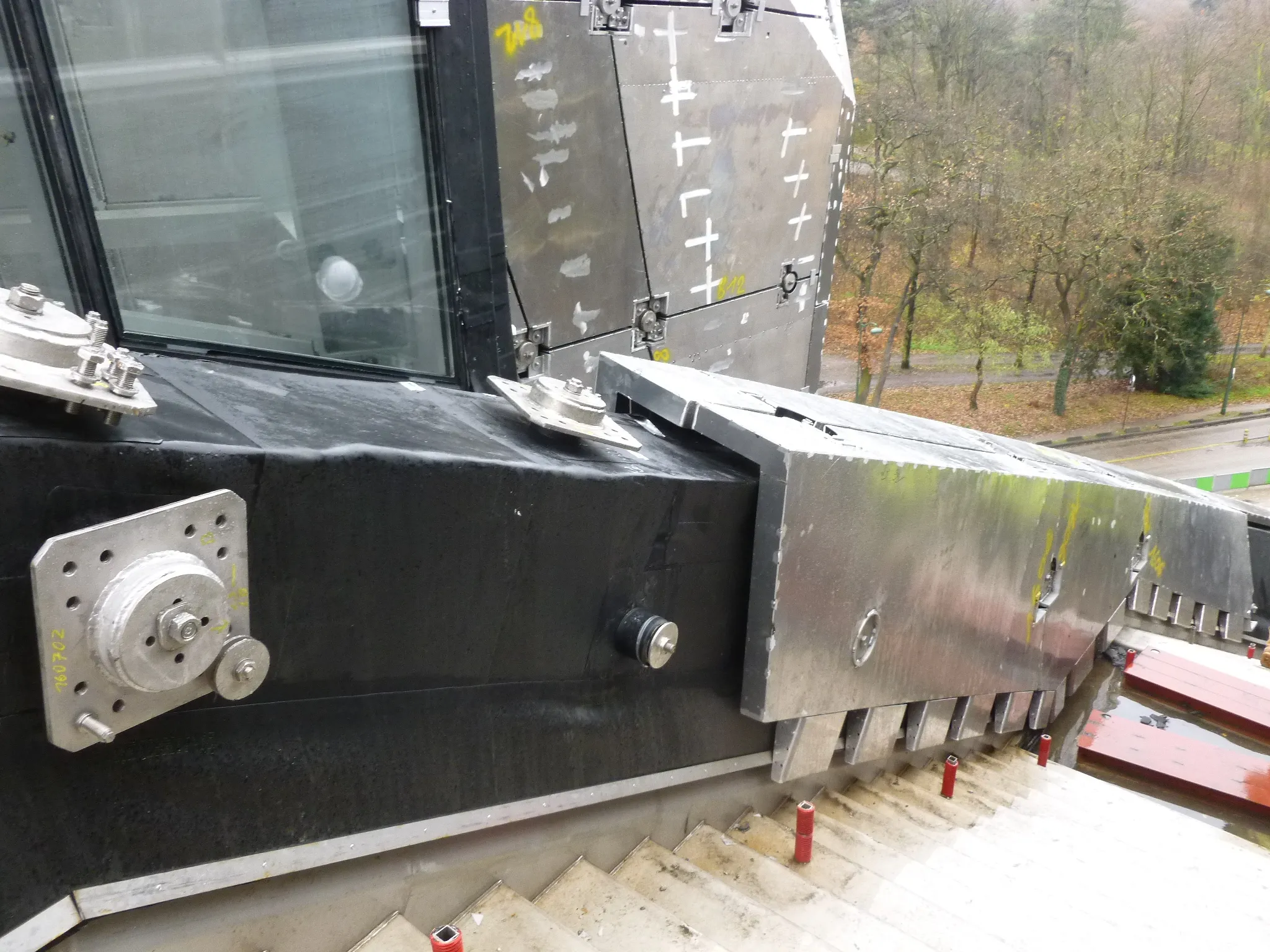
Structure Details: Timber Arches and Steel Joints
Reading Gehry’s structural language—wood warmth, steel precision, and how joints tell stories.
→
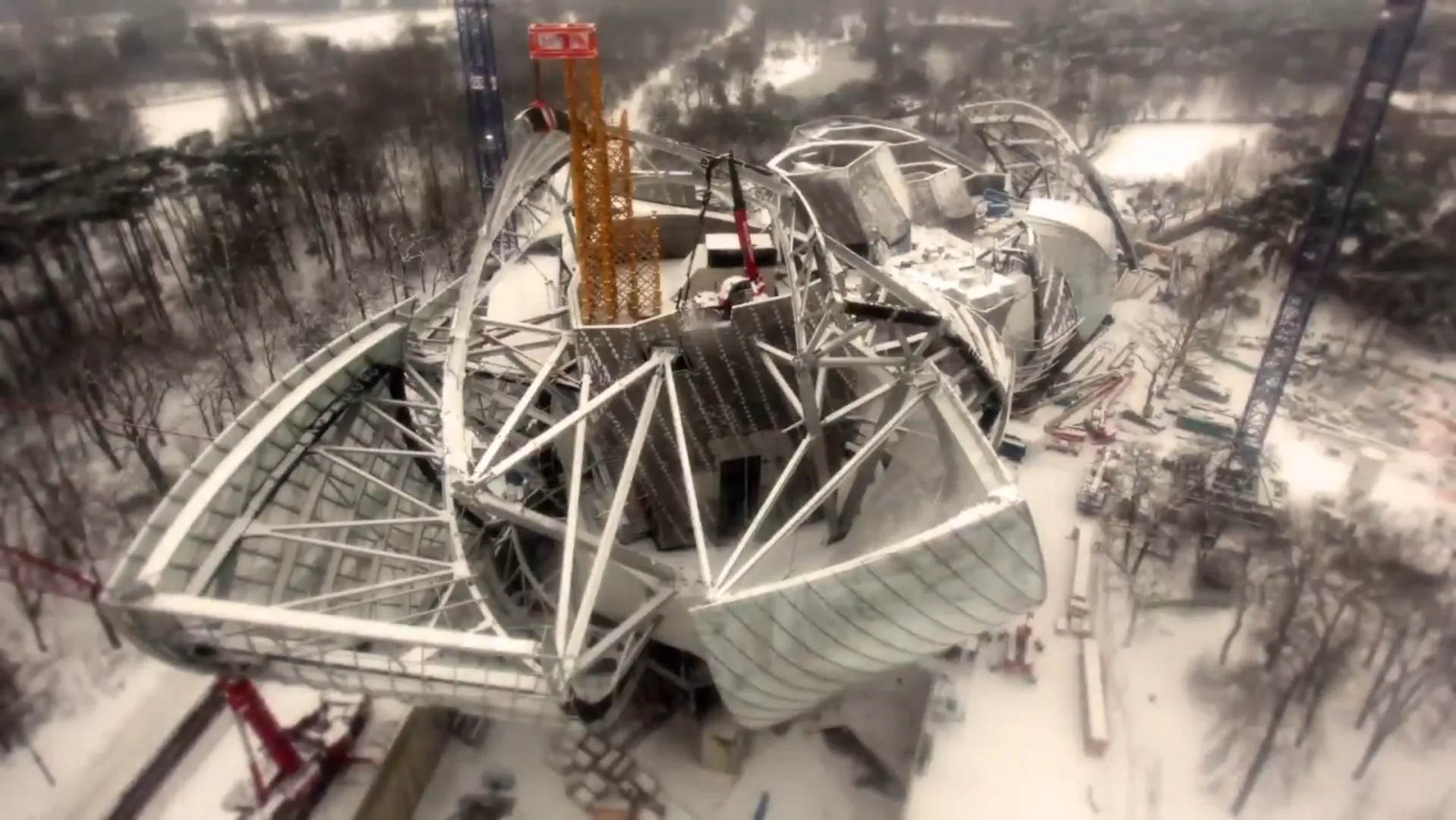
Construction Timeline: Fondation Louis Vuitton
From groundworks to glass sails—how schedules, lifts, and testing choreographed a complex build.
→

Der Neue Zollhof, Düsseldorf: Waterfront Triptych
Three buildings, three attitudes—how massing, material, and reflection create a dialogue on the Rhine.
→

UTS Dr Chau Chak Wing Building: Brick Ribbons in Sydney
Business school with a twist—how brick becomes fluid and interiors prompt collaboration.
→
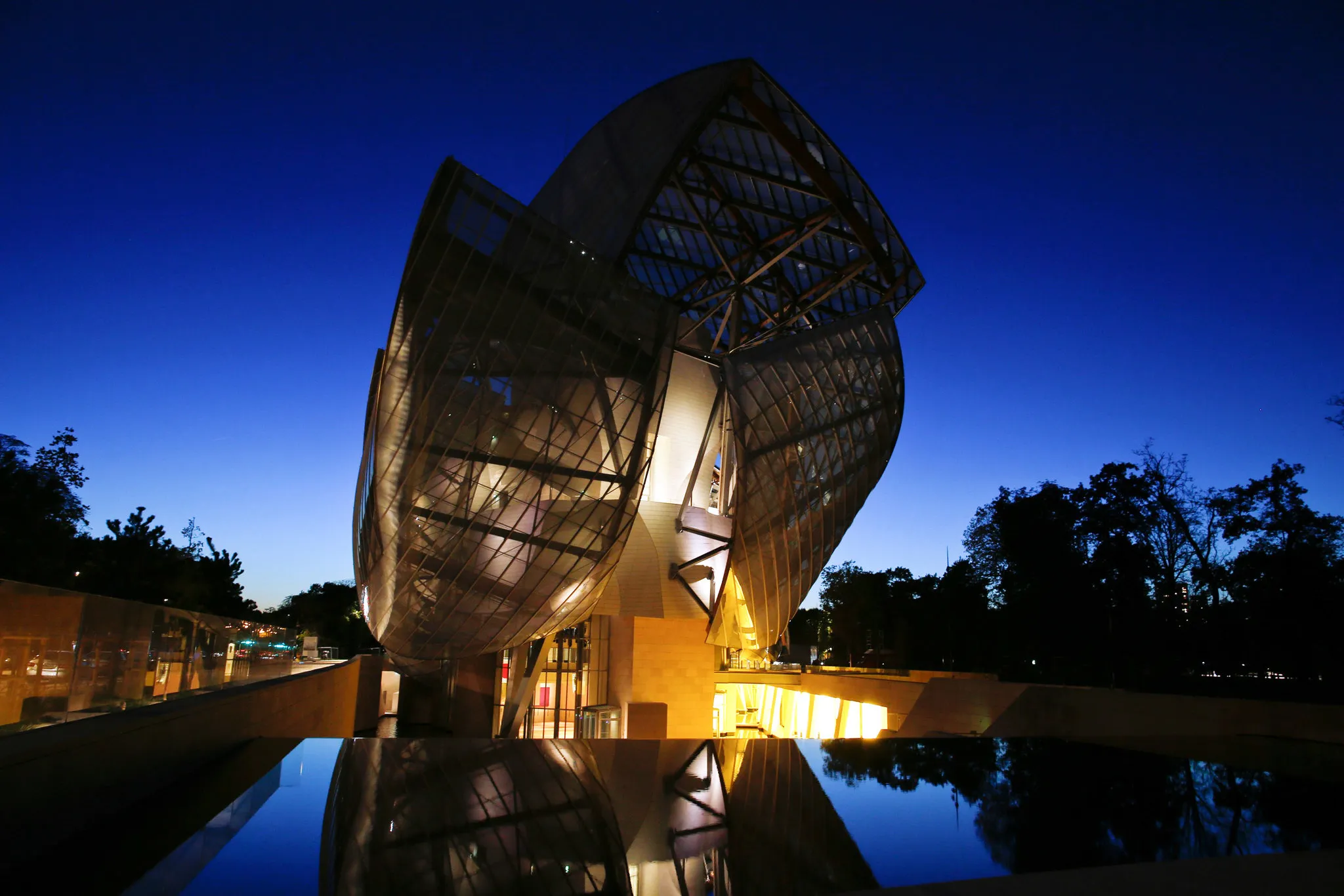
FLV Night Livery: Color, Light, and Atmosphere
After dark, the museum becomes a canvas—reading color programs, light effects, and urban ambiance.
→
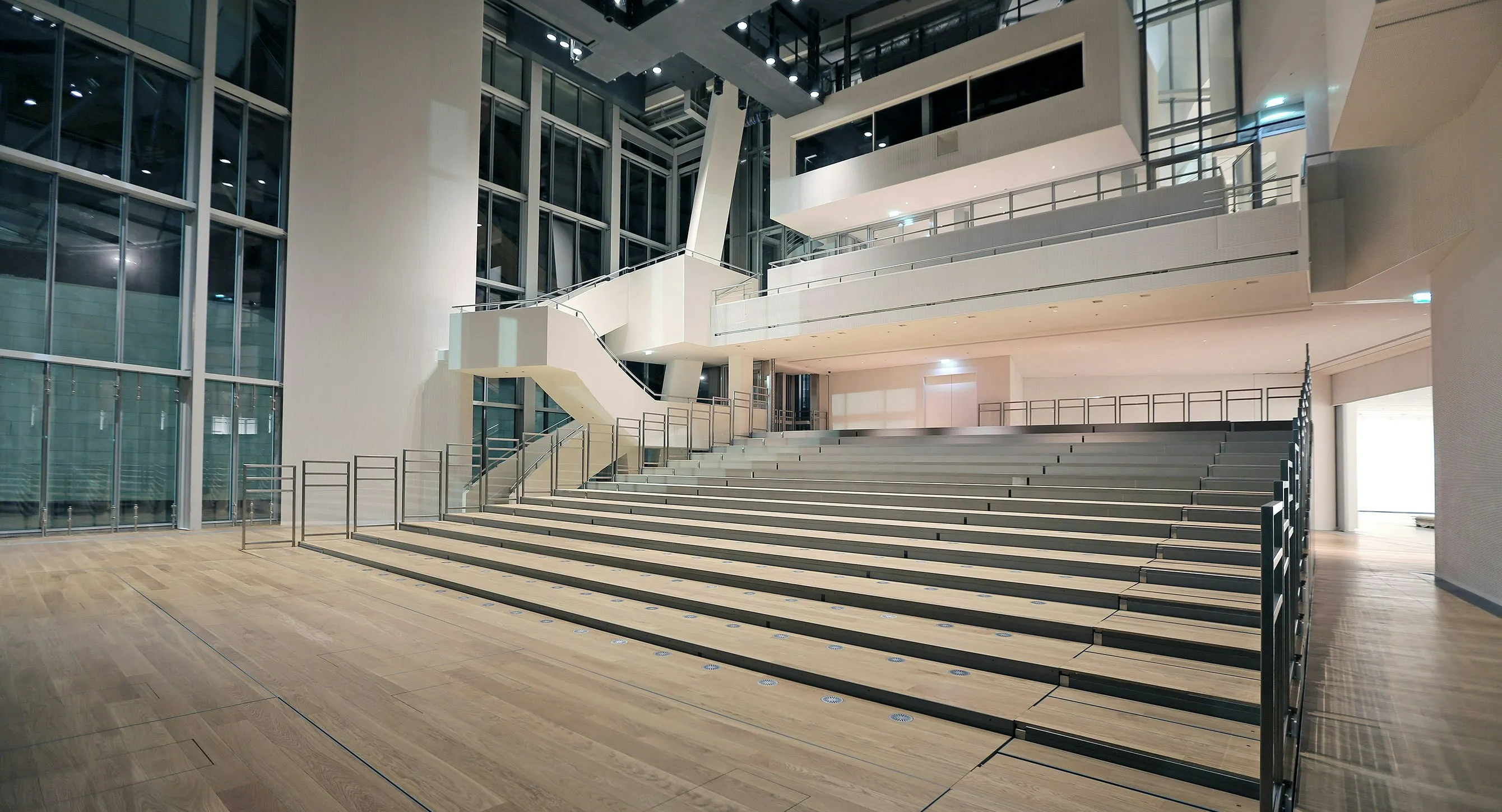
FLV Interiors: Stairs, Bookshop, and Circulation
Inside pathways—how stairs, bookshop, and galleries choreograph movement and views.
→
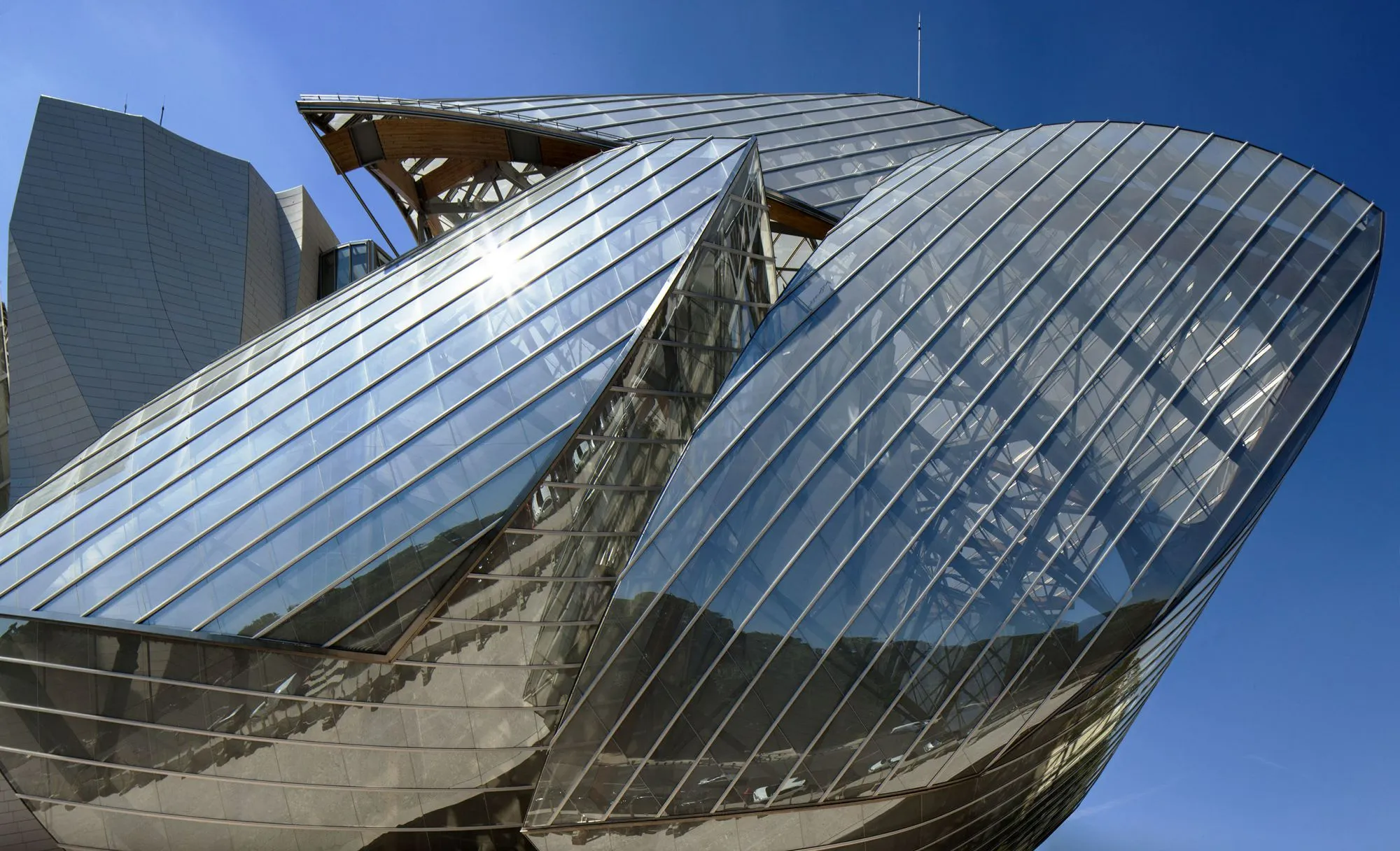
FLV Roof: Glass Views and Structural Ribs
Reading the roof from within—glass expressivity, structural ribs, and sky as a changing ceiling.
→
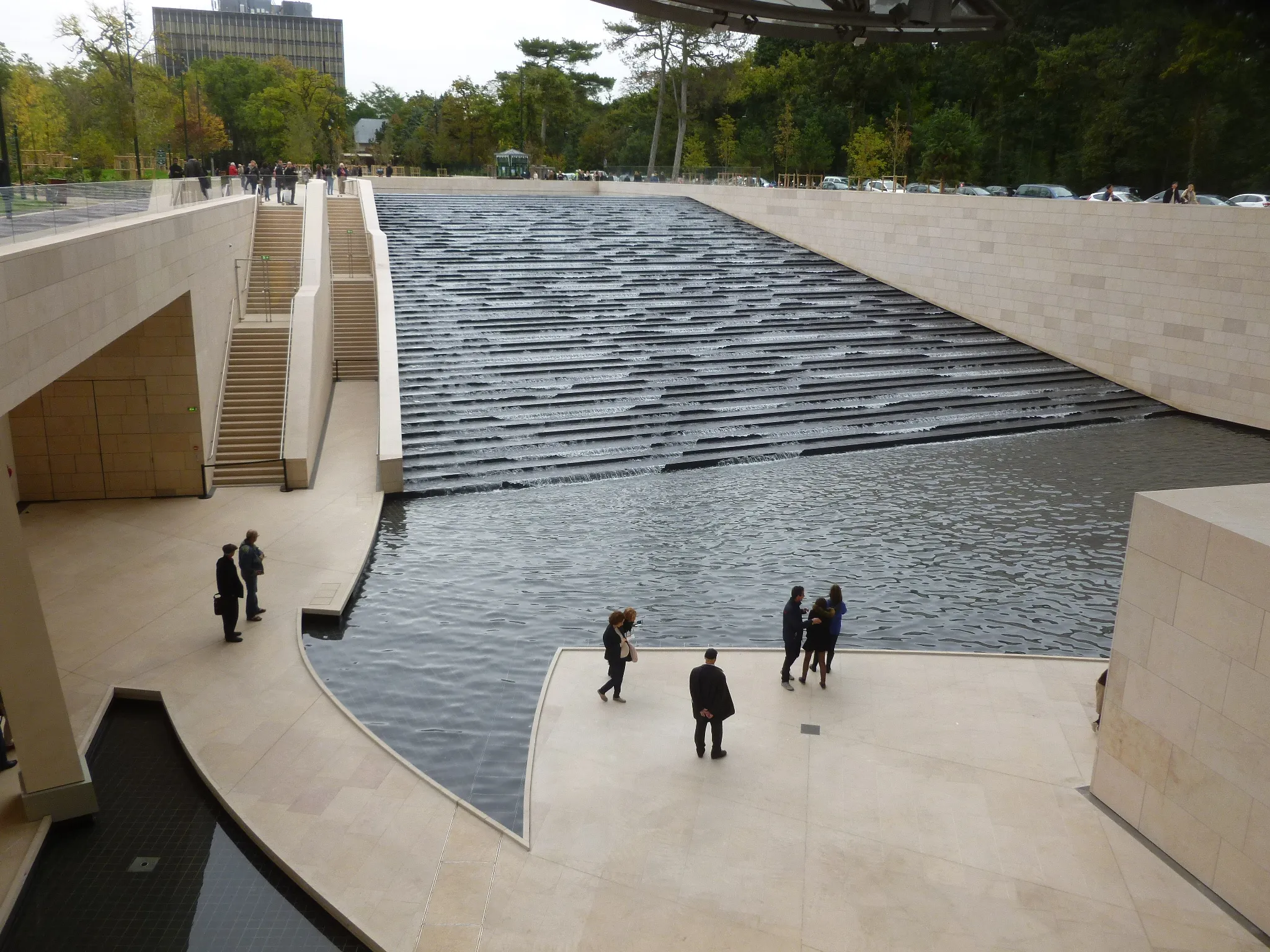
FLV Entrances: Waterfall Thresholds and Sequences
Approach and arrival—how water, ramps, and framed views create a cinematic entry.
→
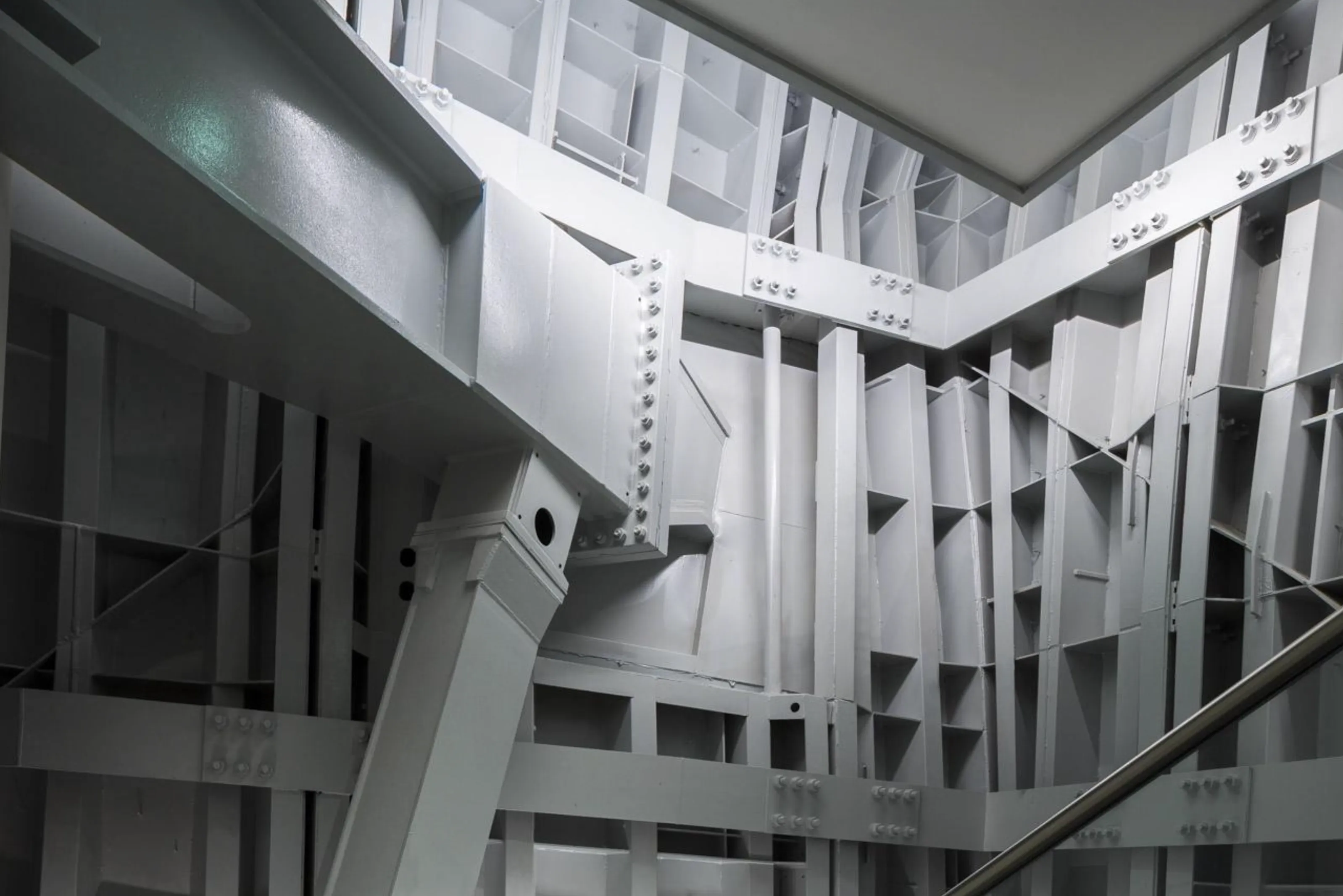
FLV Steel Joints: Tolerances and Craft
Behind every curve—precision joints, lifts, and on-site adjustments that make the sails sing.
→
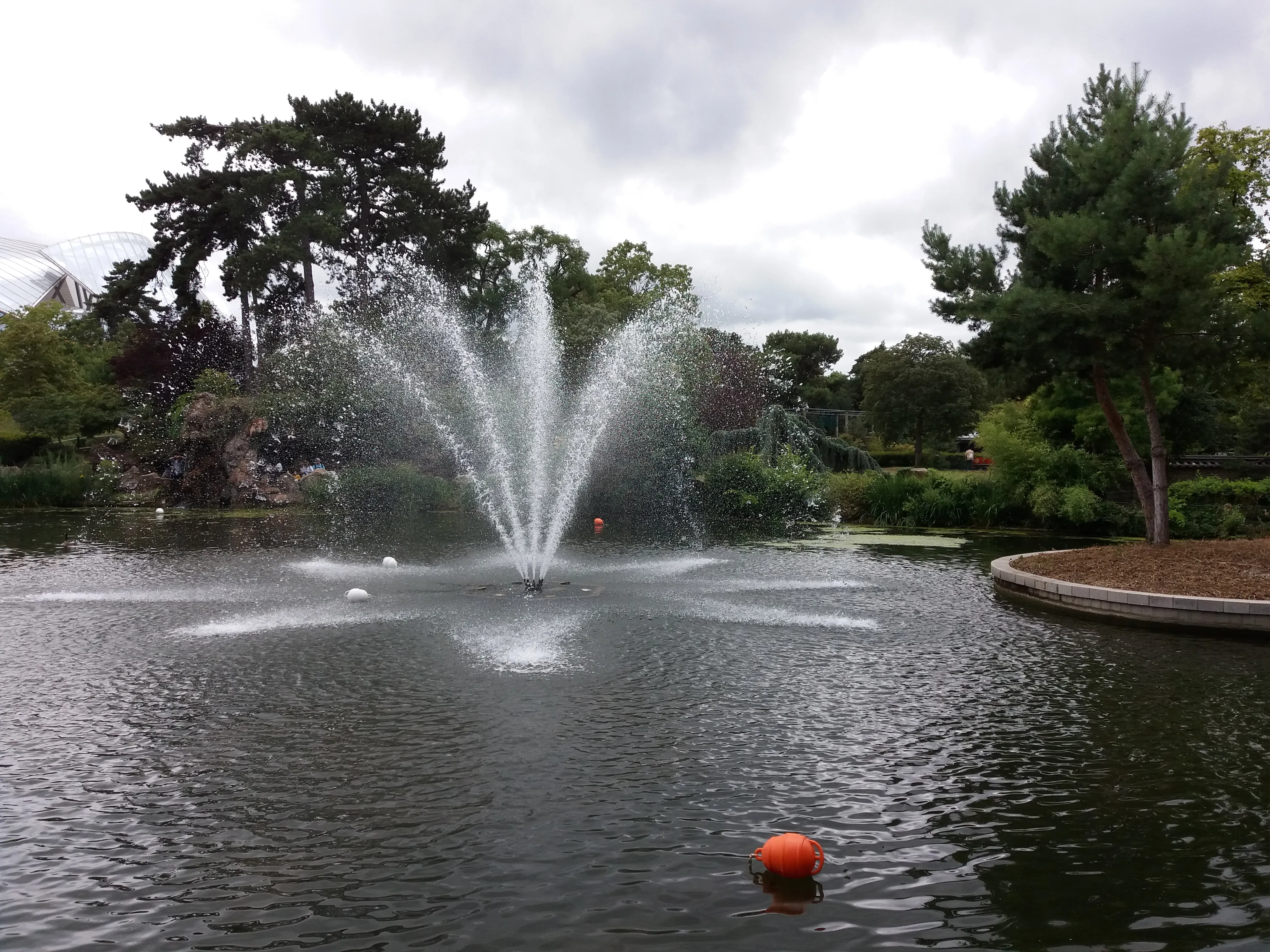
Jardin d’Acclimatation: Lakes, Paths, and Seasonal Light
The garden as context—reading lakes, paths, and seasonal shifts that shape the museum’s ambiance.
→
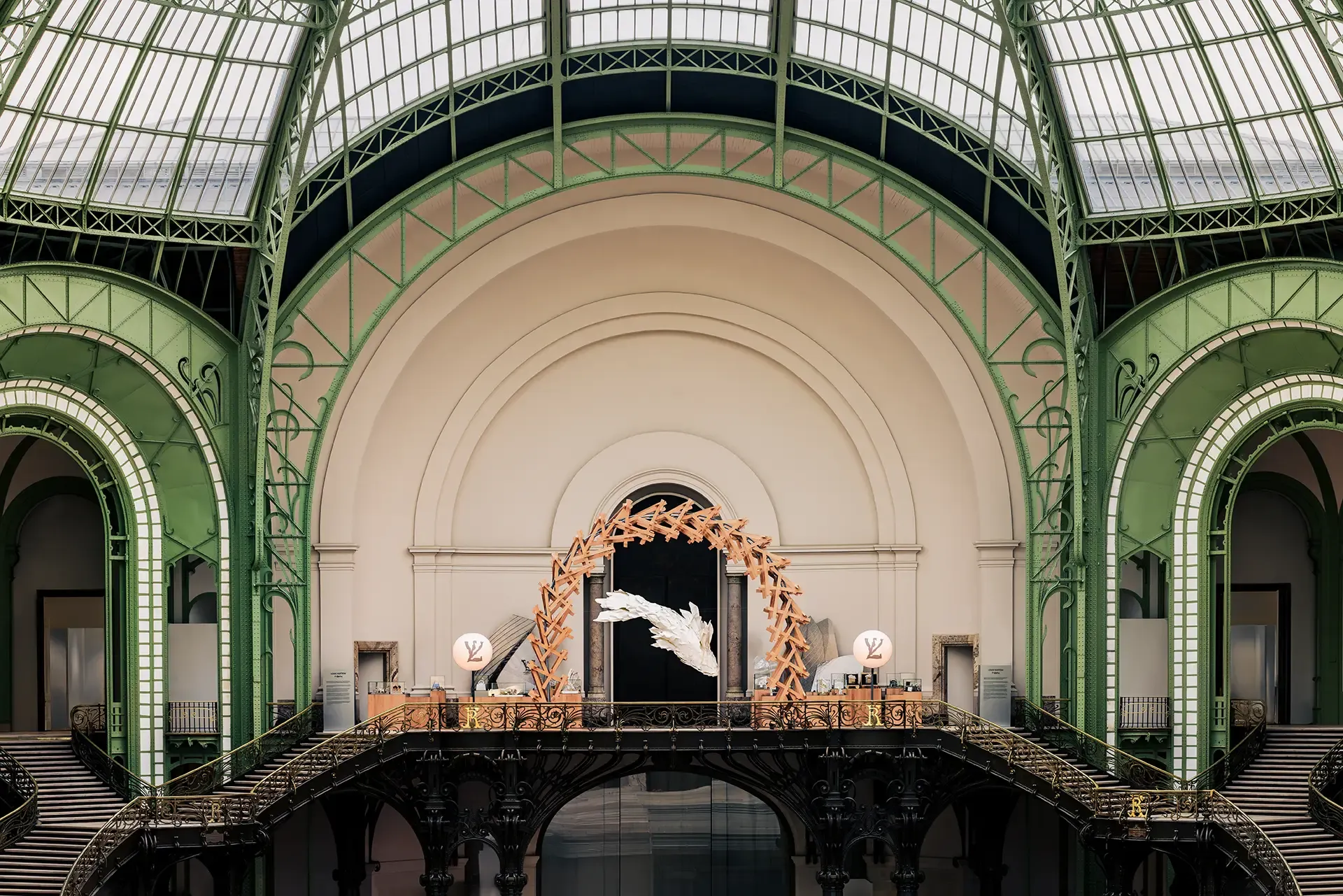
Louis Vuitton × Gehry: Exhibition Highlights
Design collaborations—how objects and display strategies echo architectural language.
→
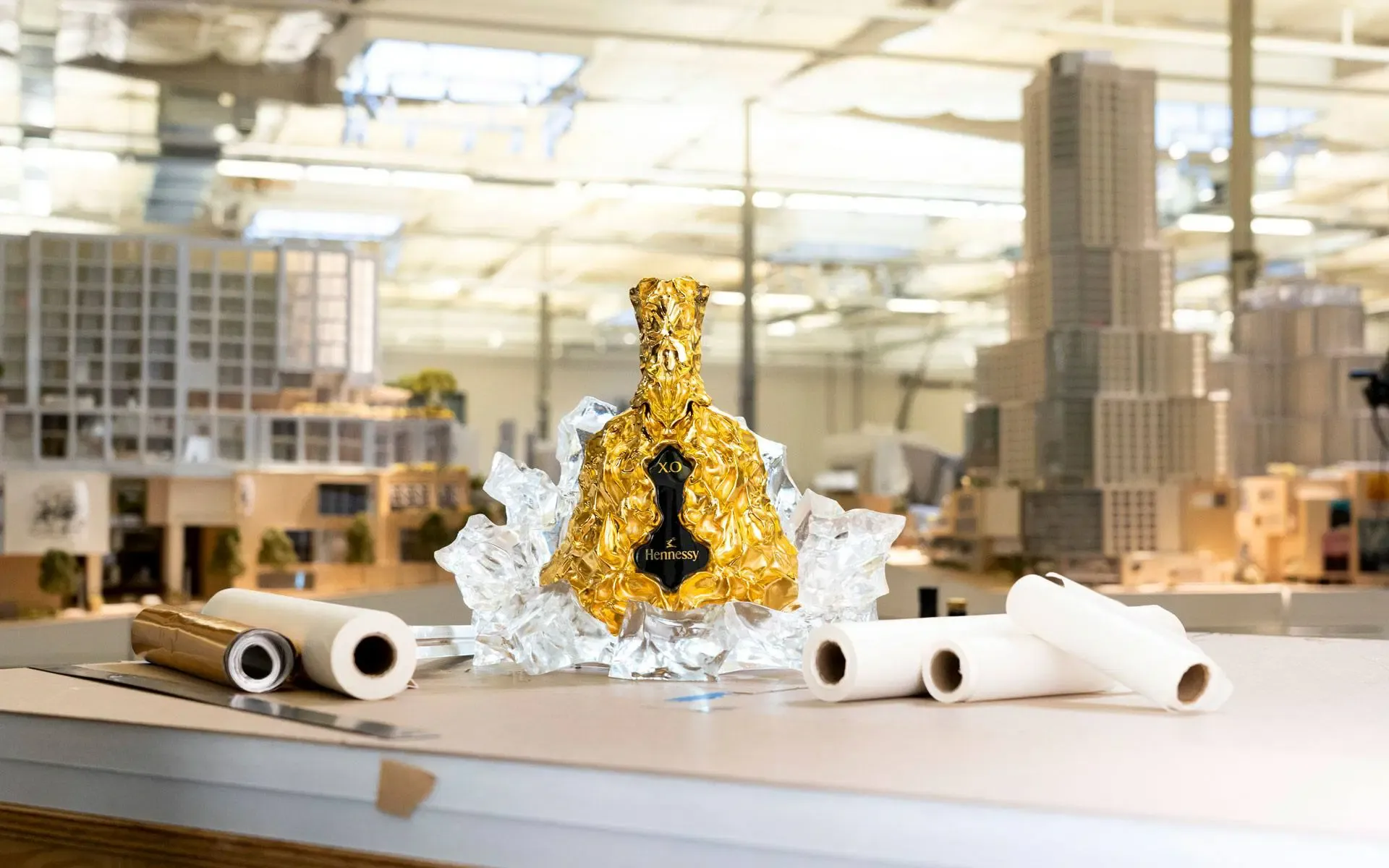
Product Design: Gehry’s Hennessy XO Decanter
Architecture meets glassware—how form, light, and brand converge in a limited-edition decanter.
→
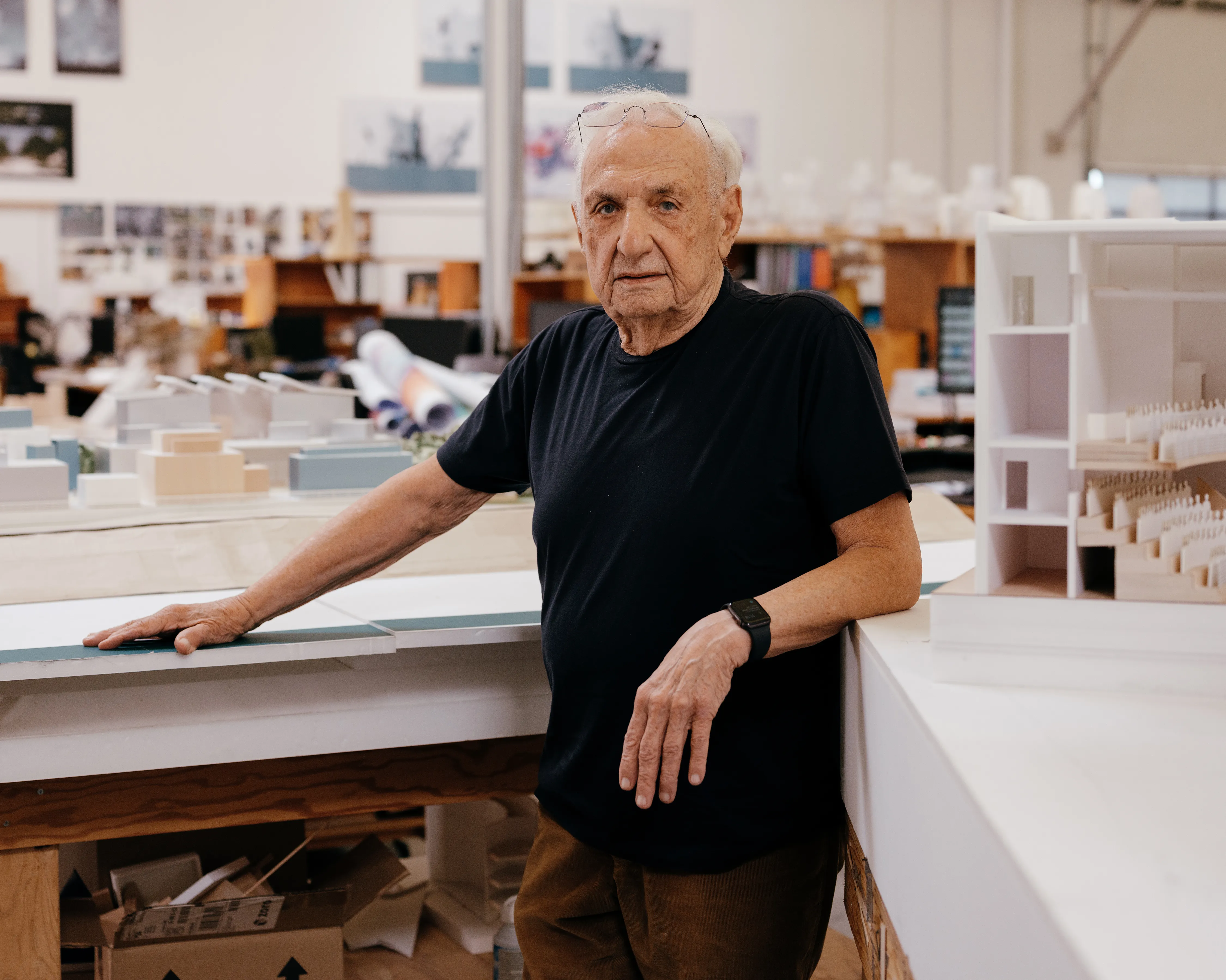
Studio Routines: Tools, Models, and the Business Card
How studio rituals, tools, and even a business card reflect a practice’s identity and process.
→
Beekman Tower Apartments: Plan Typologies and Views
Inside the ripple—typologies, corners, and how plans frame Lower Manhattan’s view corridors.
→
IAC Media Facade: Fritting, Gradients, and Light
Glass as media—how fritting strategies shape gradients, glare, and a luminous urban presence.
→
MoPOP Interiors: Visitor Choreography and Gallery Flow
Inside the music—how galleries and circulation perform as choreography, echoing instruments and stage energy.
→
Pritzker Pavilion: Acoustics and Trellis Engineering
The trellis is the instrument—how acoustics and structure shape sound over Chicago’s civic lawn.
→
DZ Bank Atrium: Corporate vs Civic Geometry
A hidden lyric—how the atrium’s geometry negotiates corporate needs with civic spatial quality.
→
American Center Legacy: Transformations and Refits
Beyond its first life—what later uses and refits tell us about adaptable architecture.
→
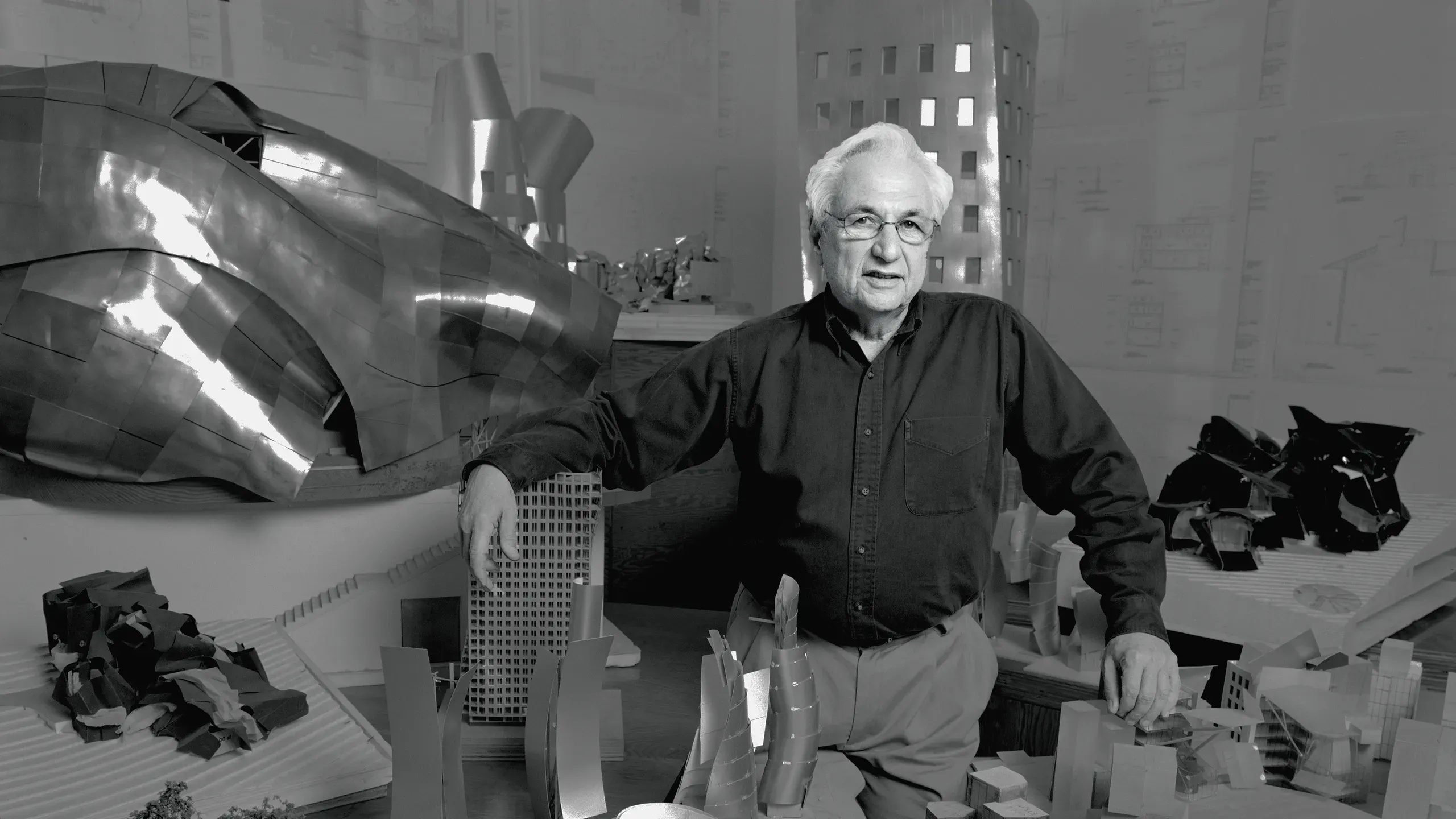
Clients and Project Governance: Patterns that Work
From brief to build—governance patterns that help ambitious architecture succeed without losing its soul.
→
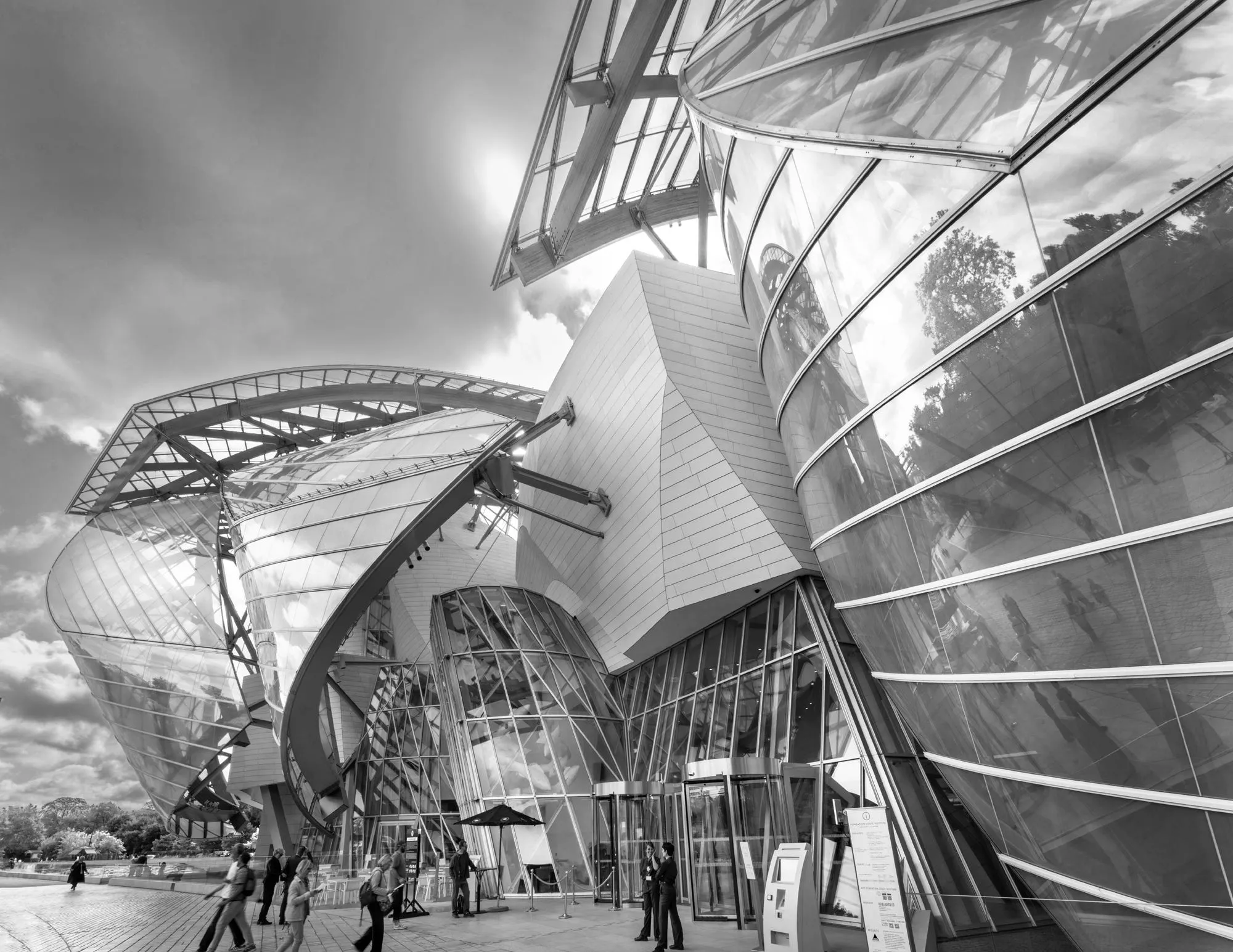
Sustainability Threads: Envelopes in Steel, Timber, and Glass
How envelope choices intersect with sustainability—material sourcing, daylighting, and operational performance.
→
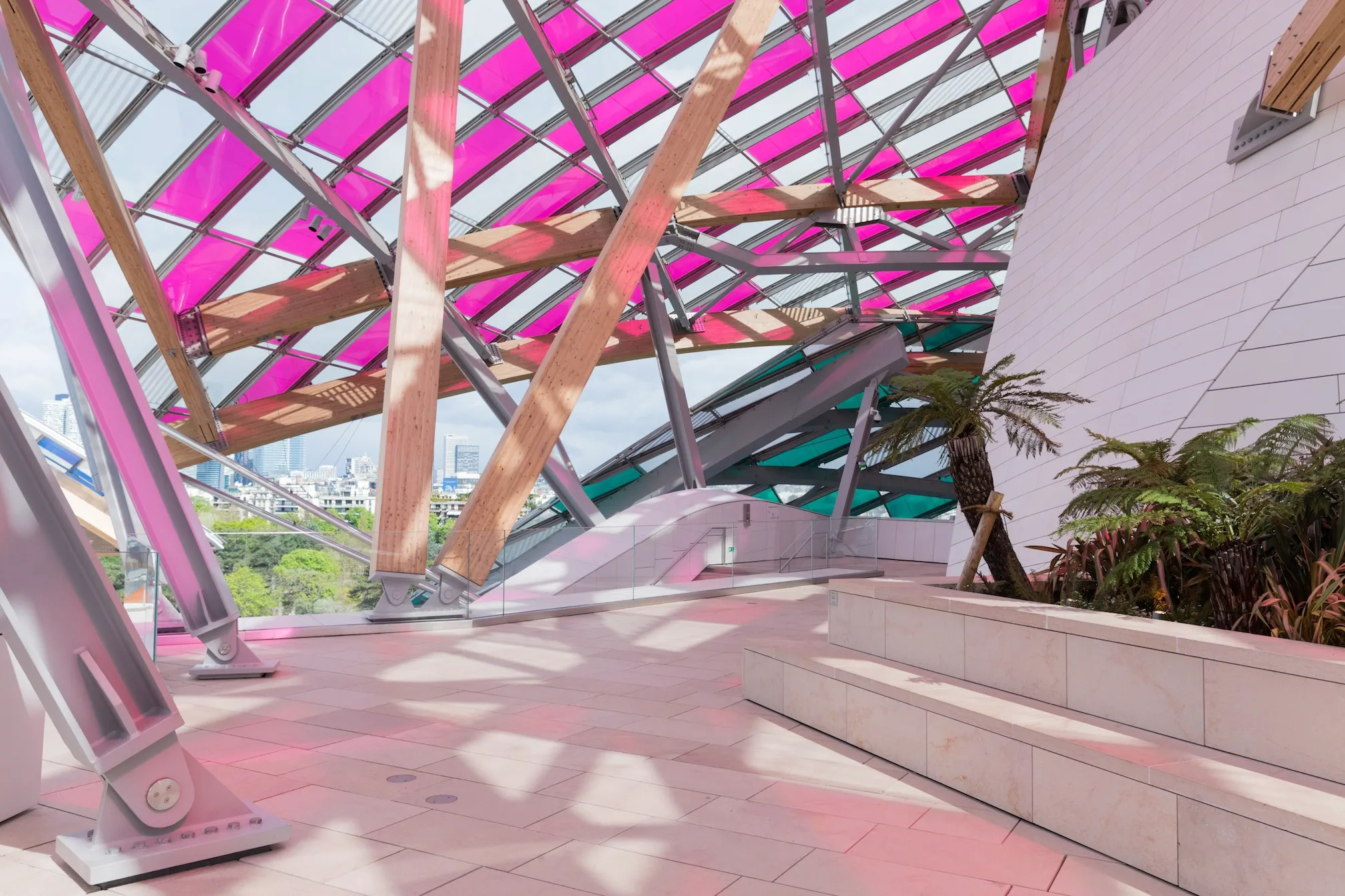
FLV Color Livery: Interior Light Effects
Color programs inside—how interior light effects and surfaces transform atmosphere.
→
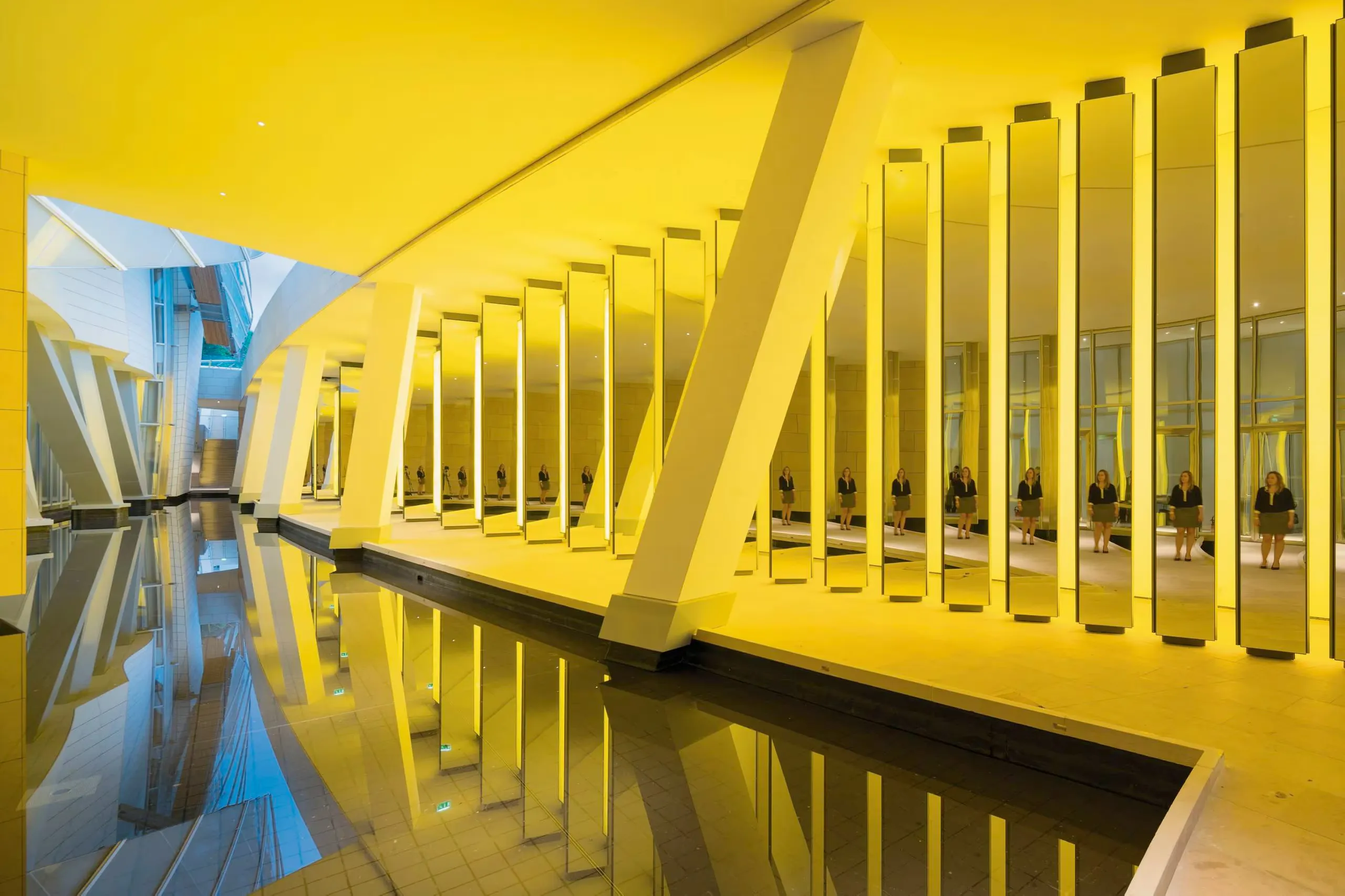
Inside the Horizon: Variants and Light Modes
Variants of a luminous installation—white light, color, and visitor movement as generative elements.
→
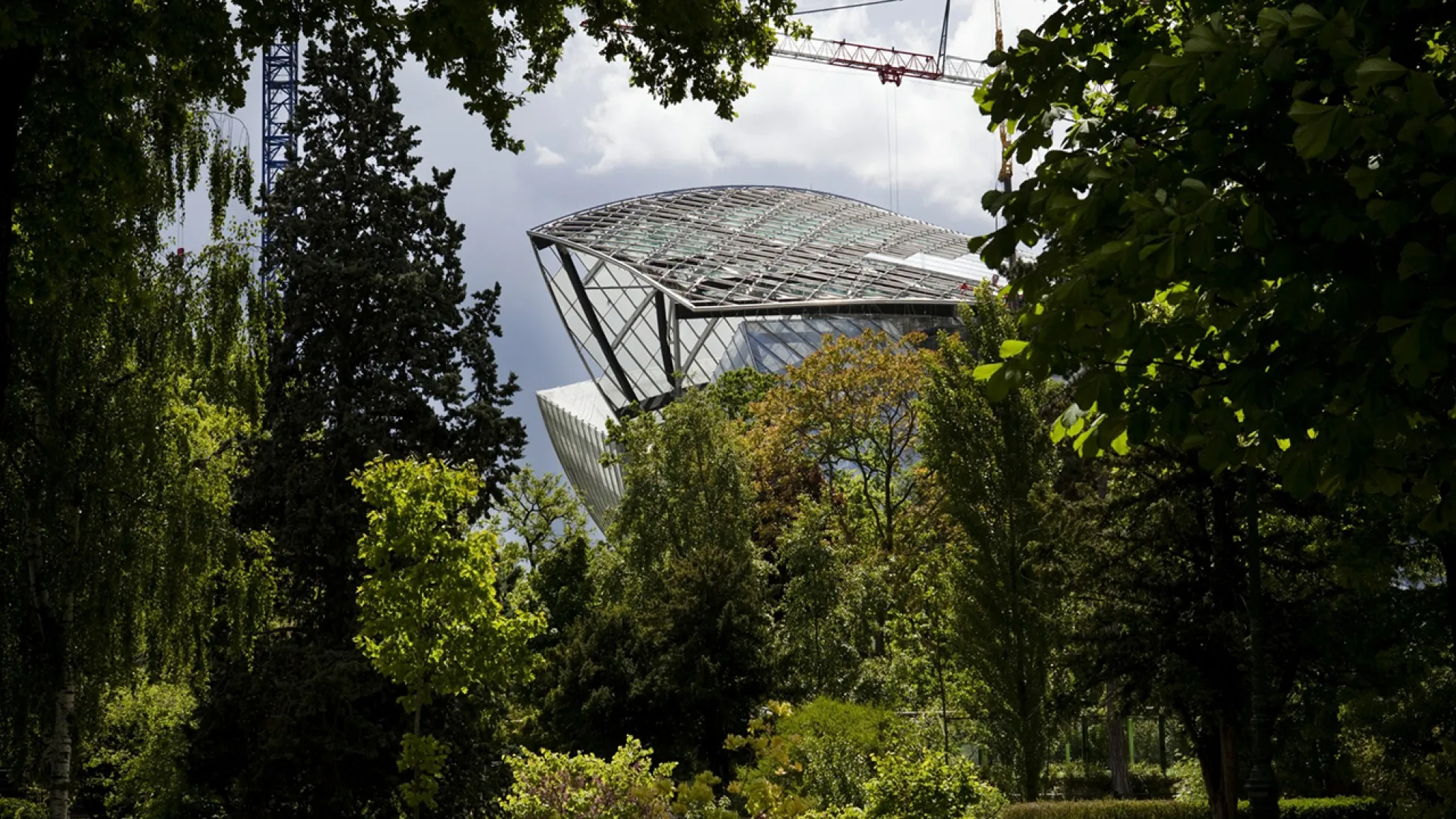
FLV Views: From Woods and Pond Edges
Exterior vantage points—how paths, trees, and pond edges frame evolving views of the glass sails.
→
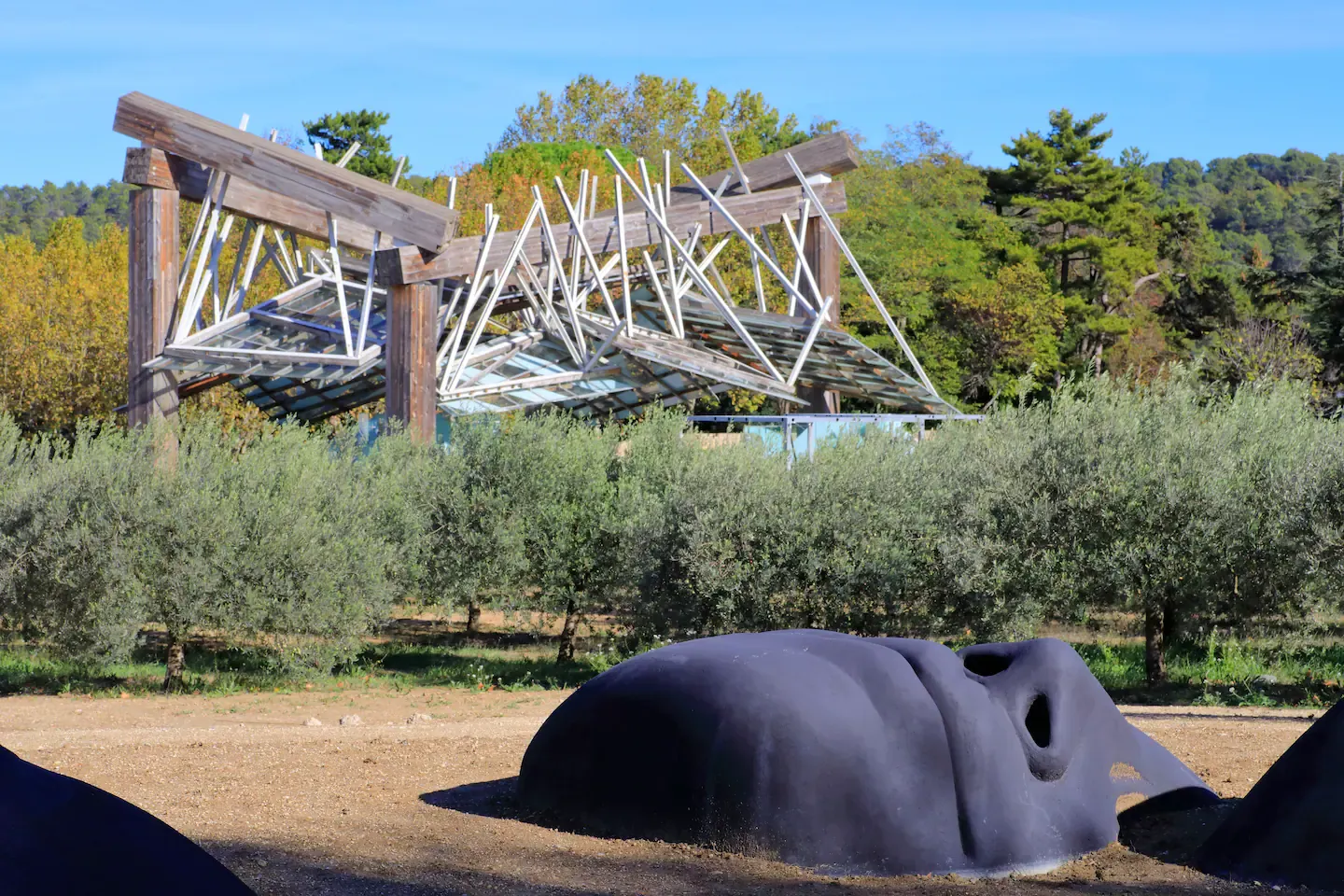
Music Pavilion, Château La Coste: Sound in Landscape
Performance in the vineyard—how pavilion geometry and materials host music amid landscape.
→